photobooks
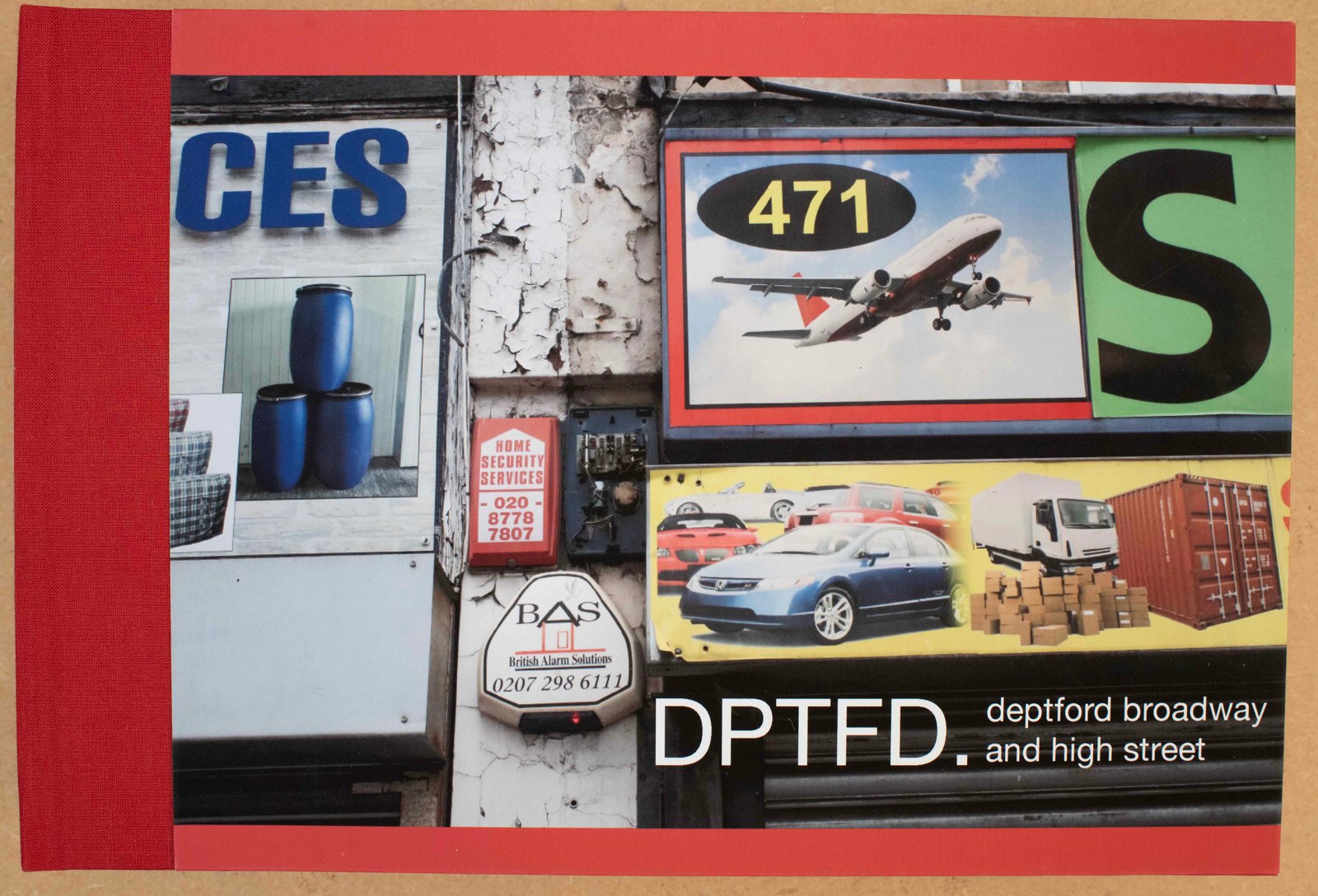
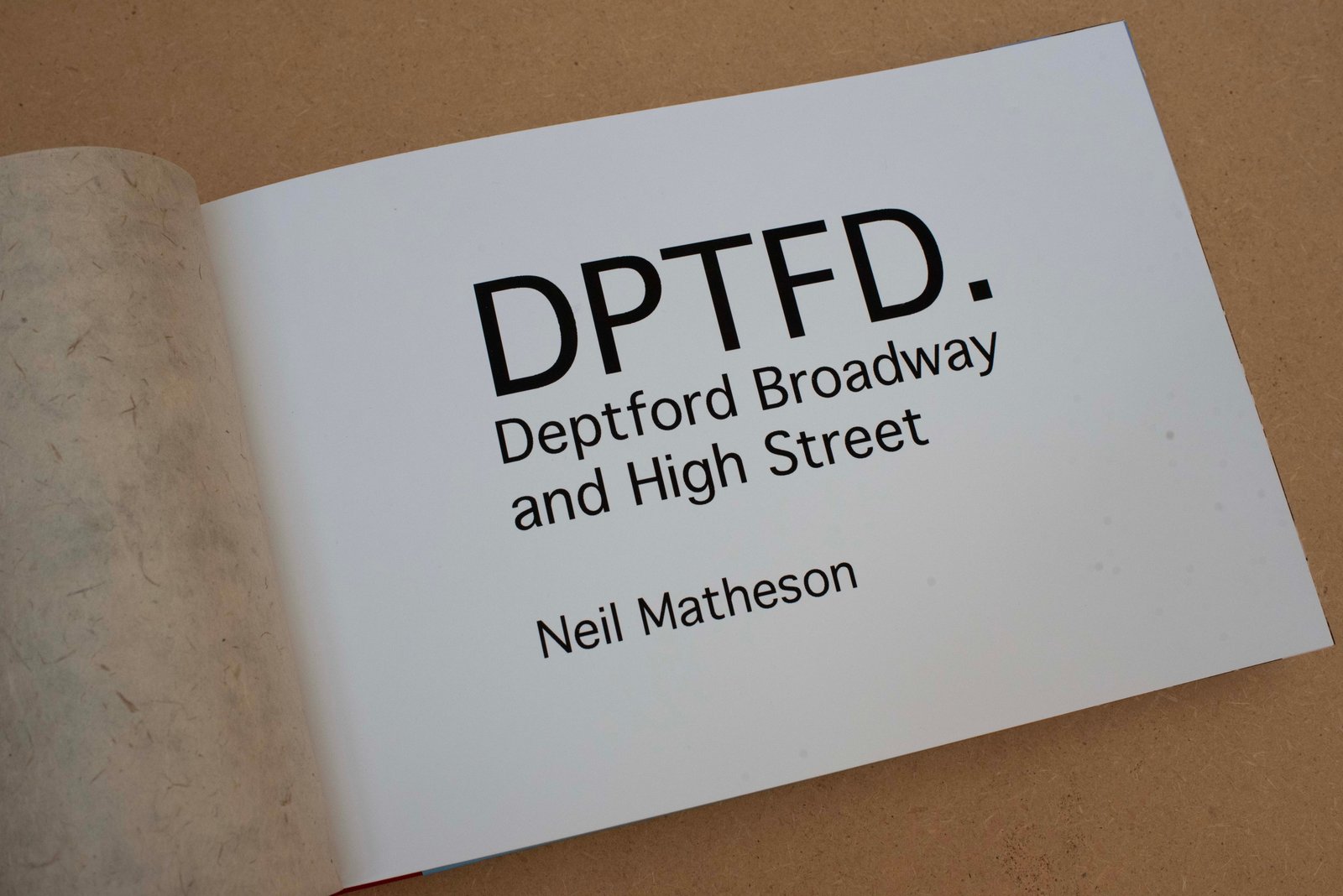
DPTFD (2026)
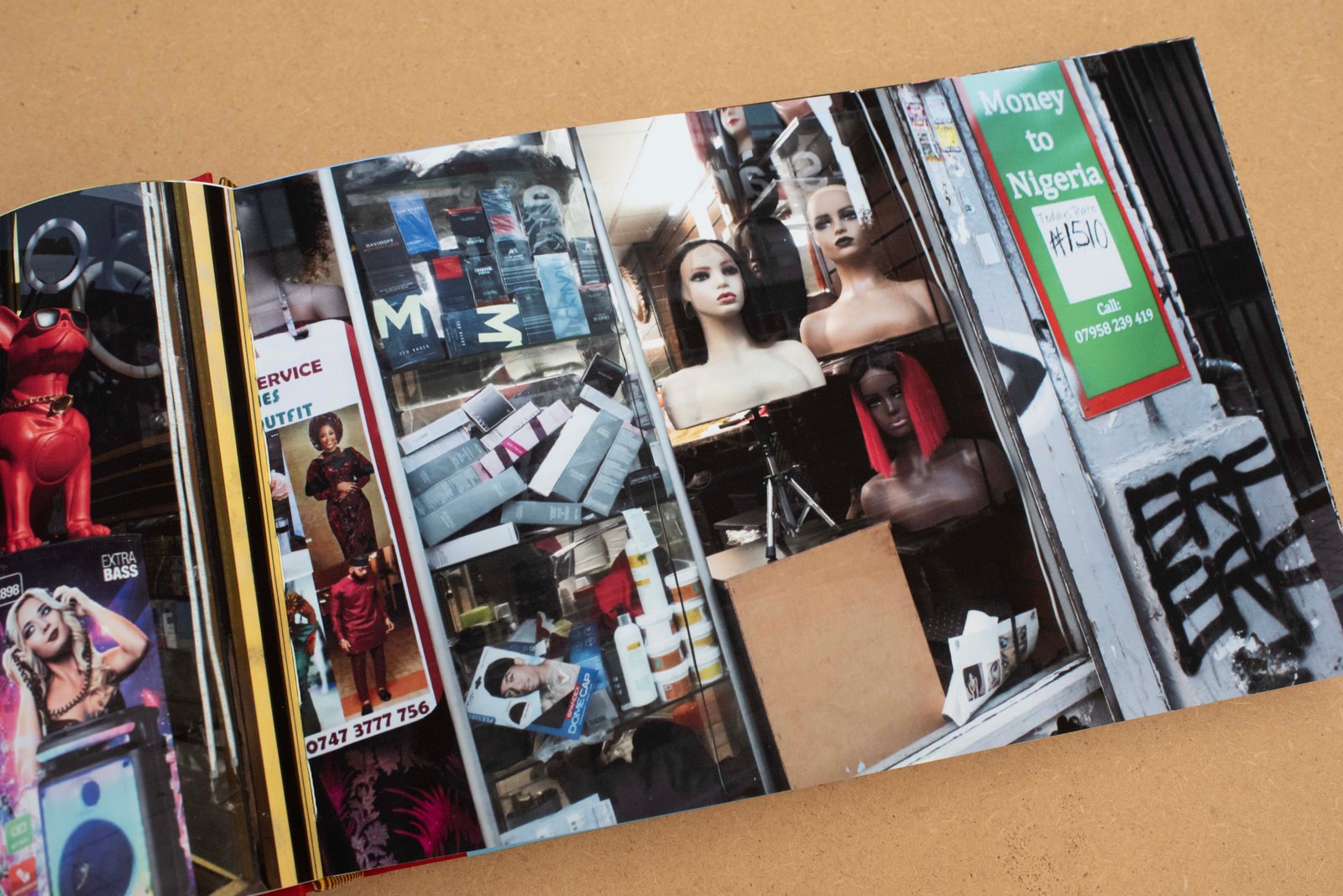
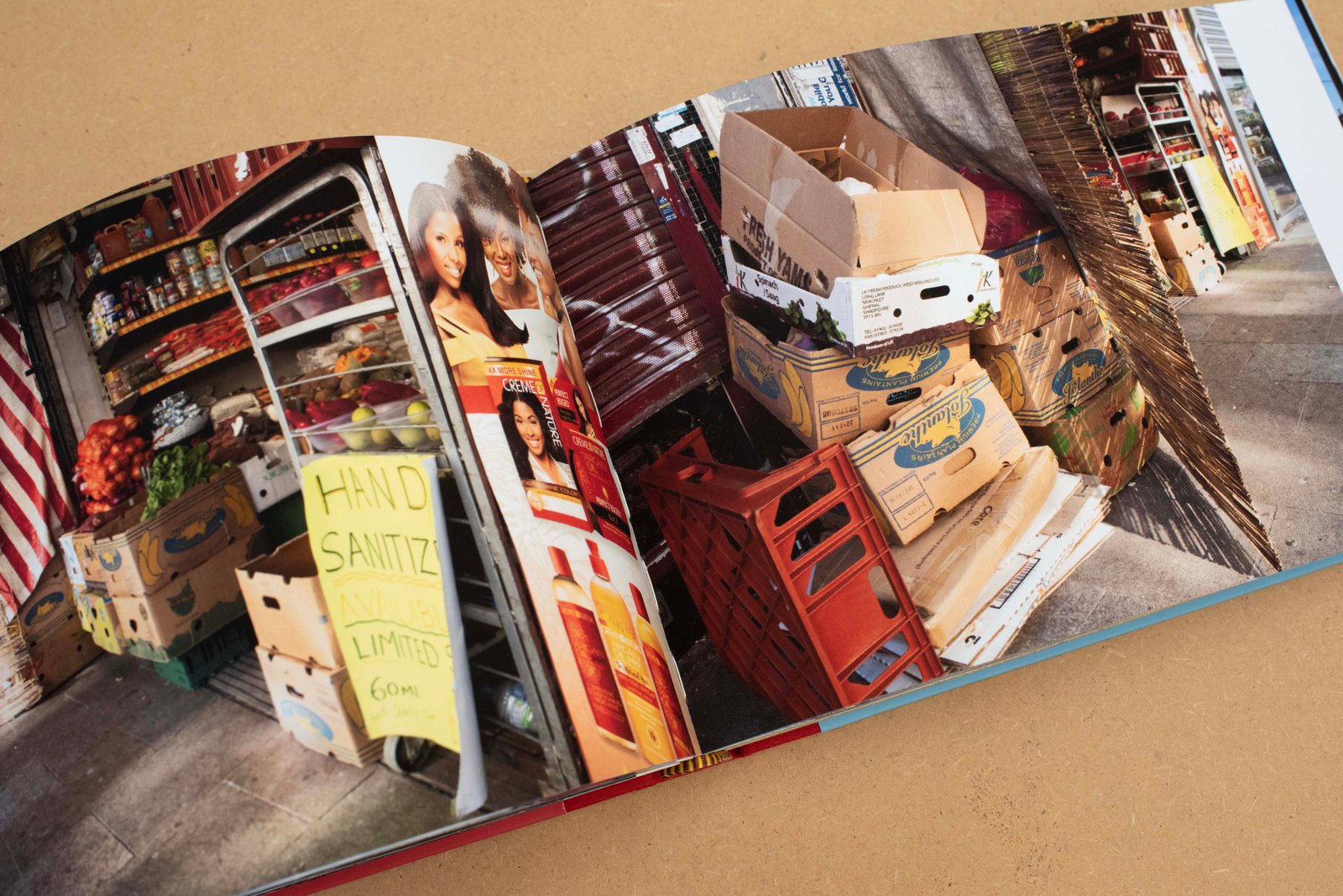
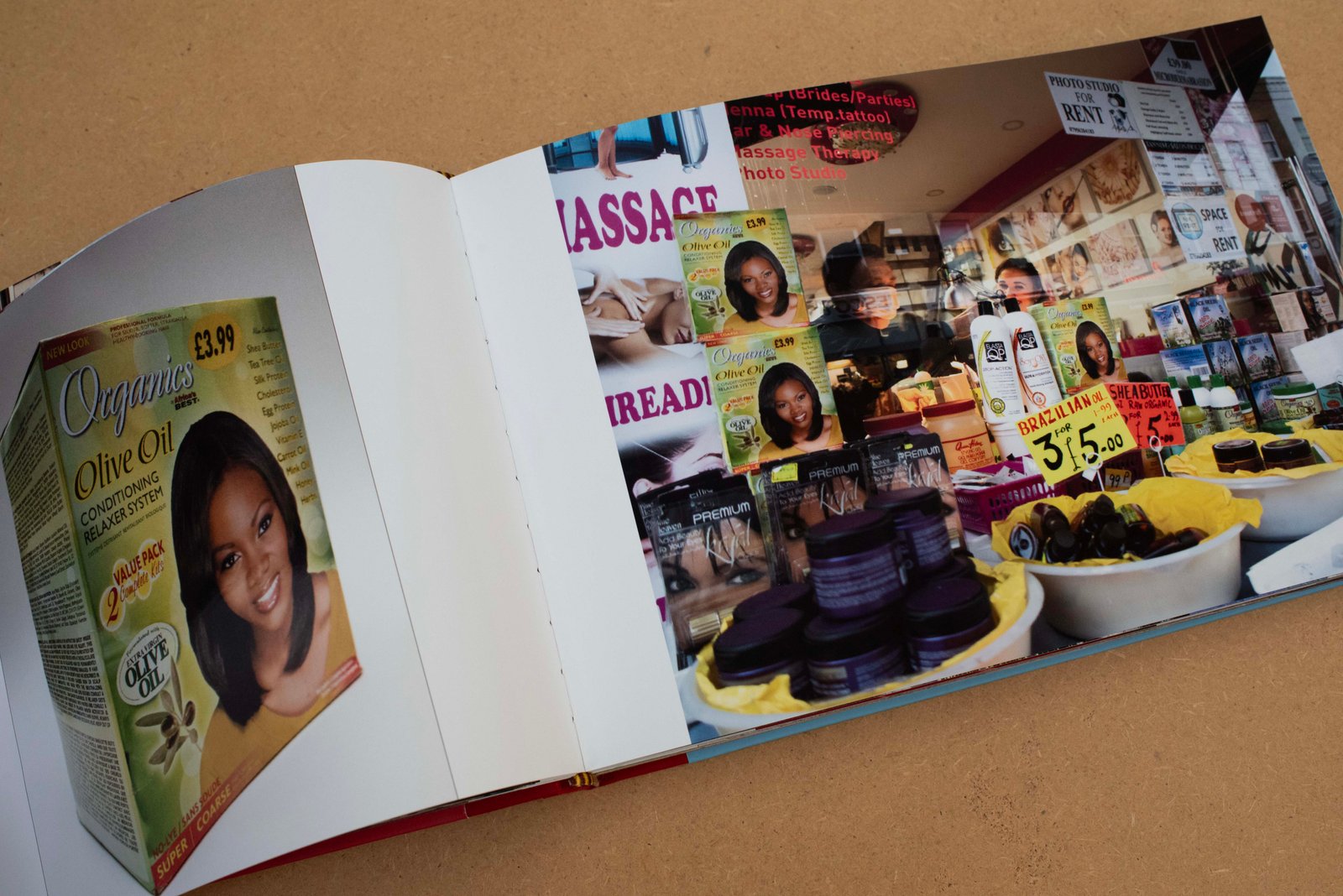
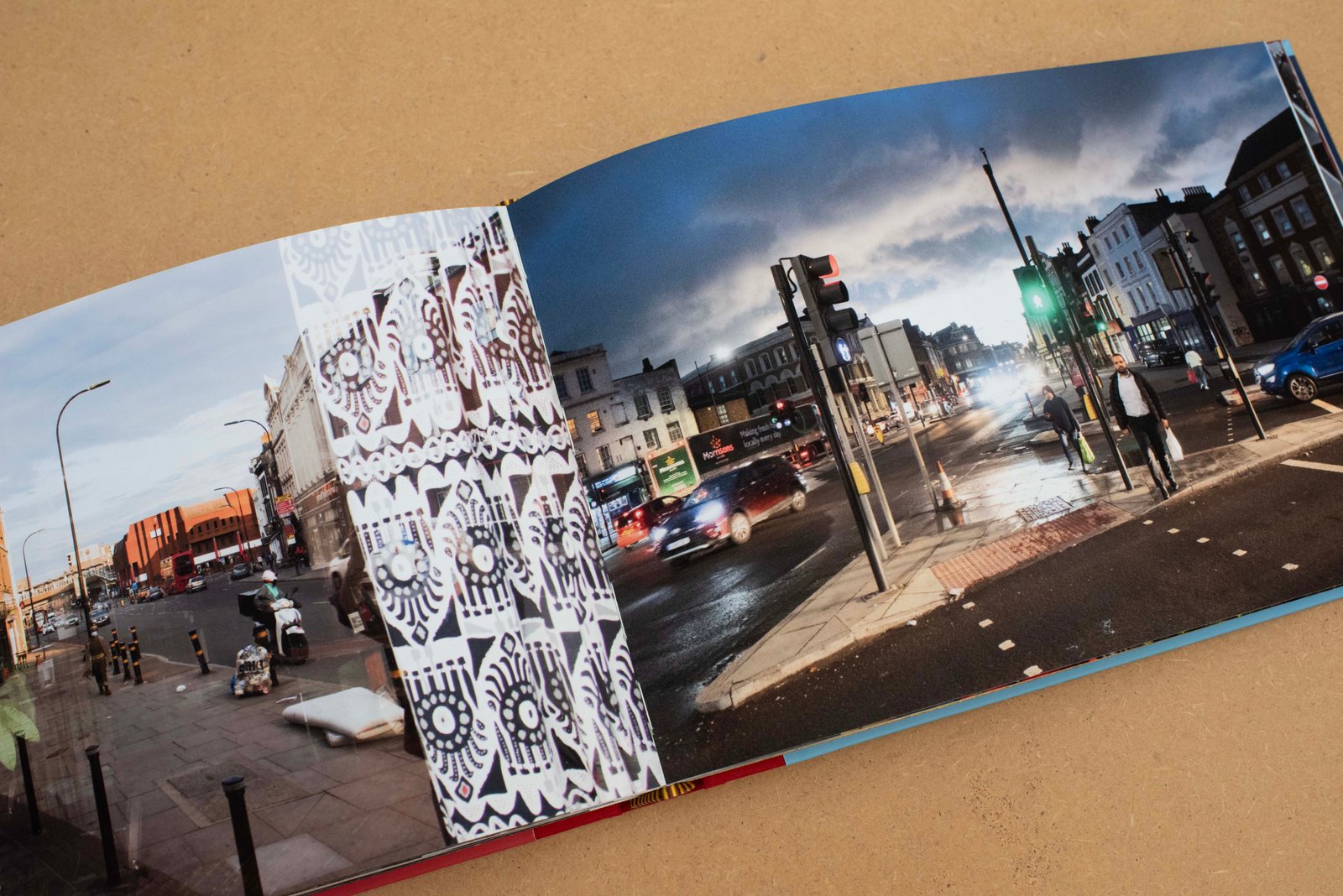
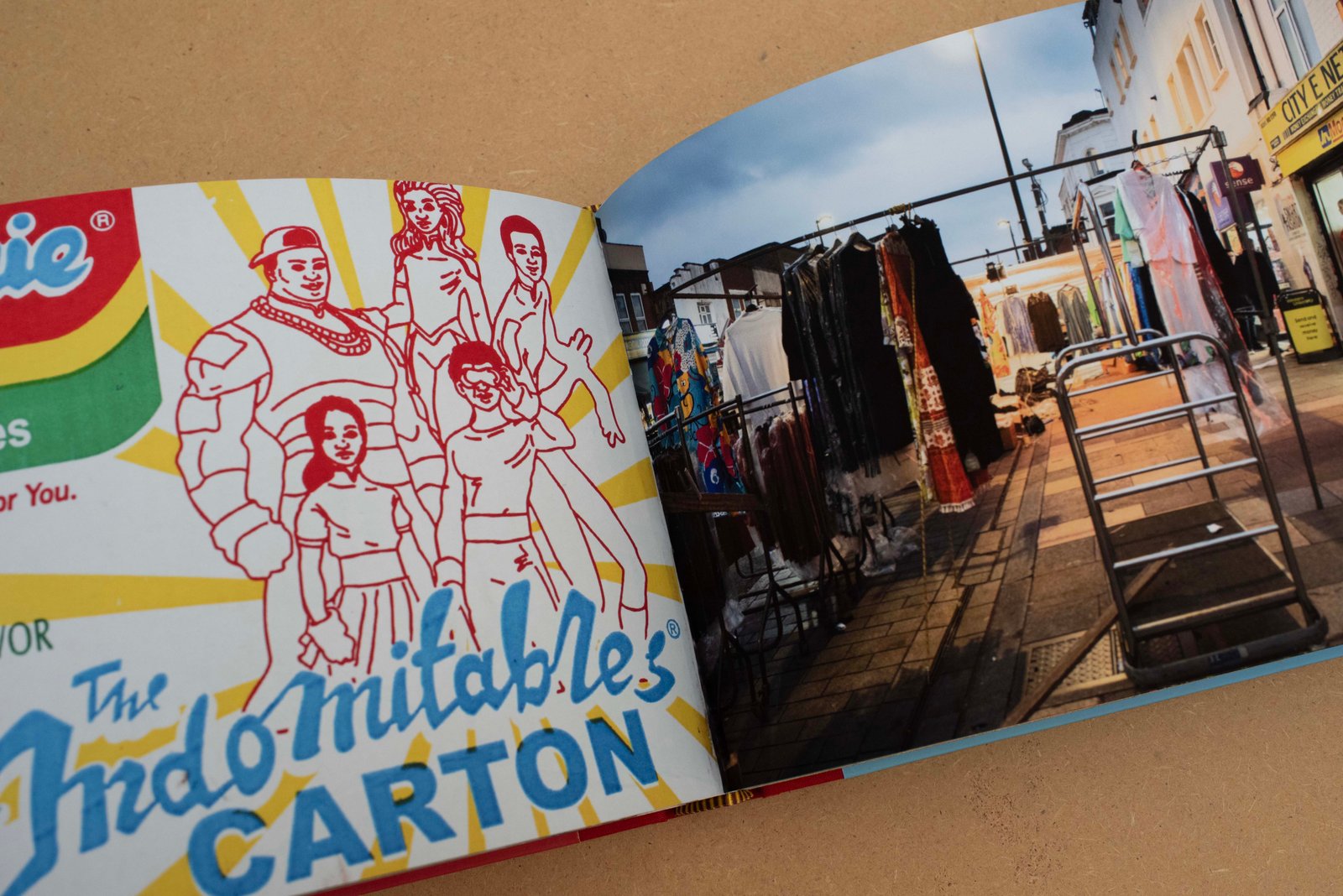
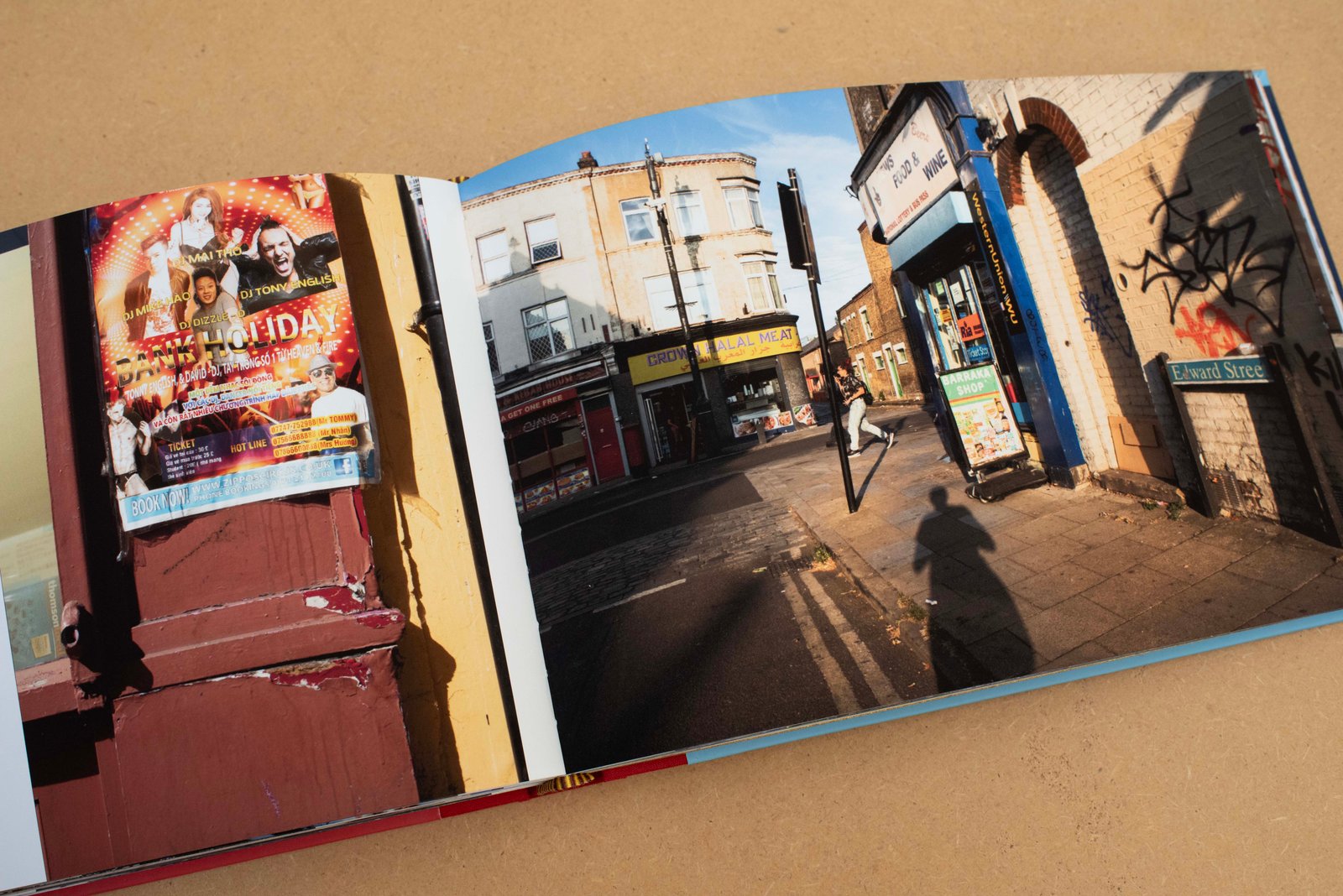
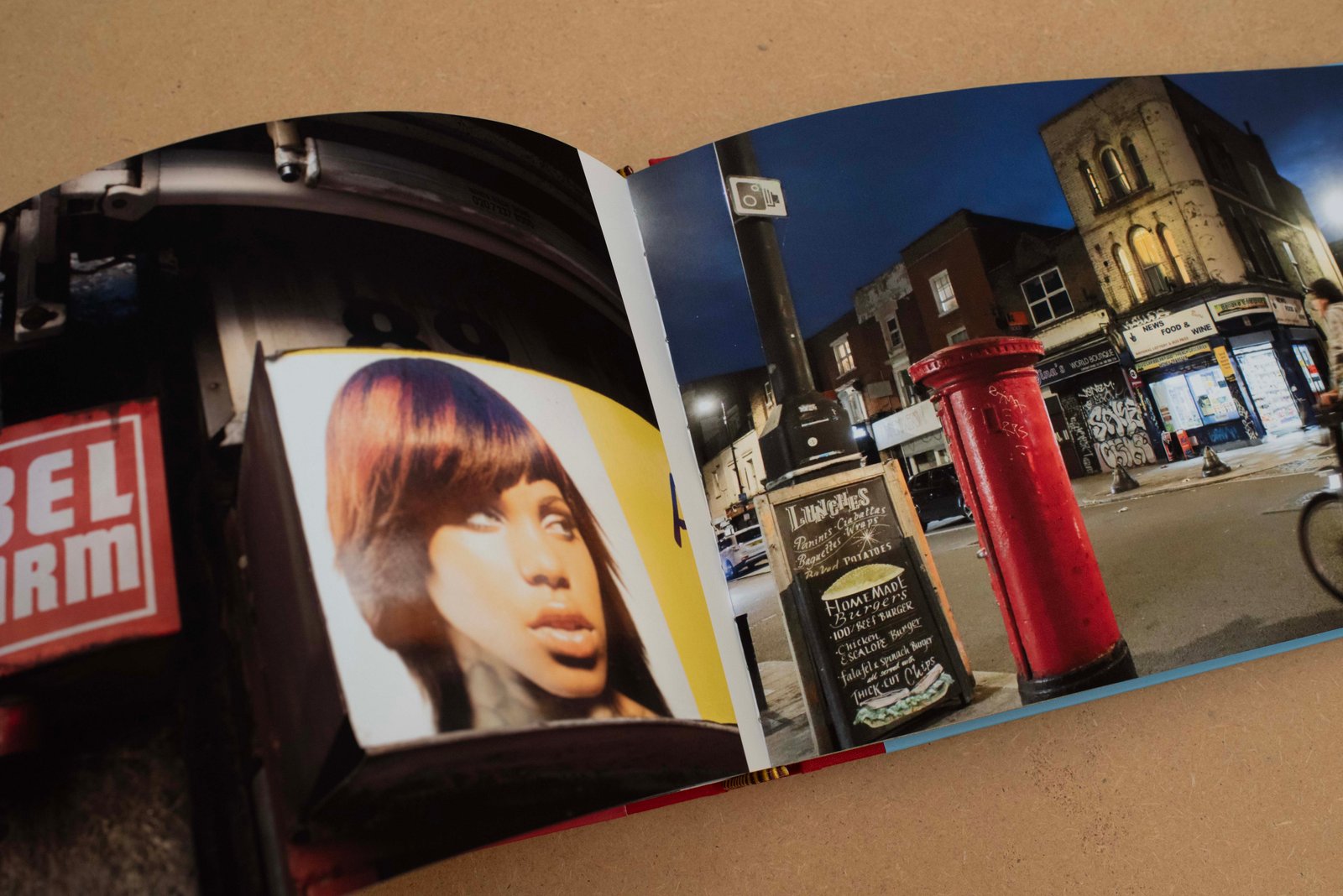
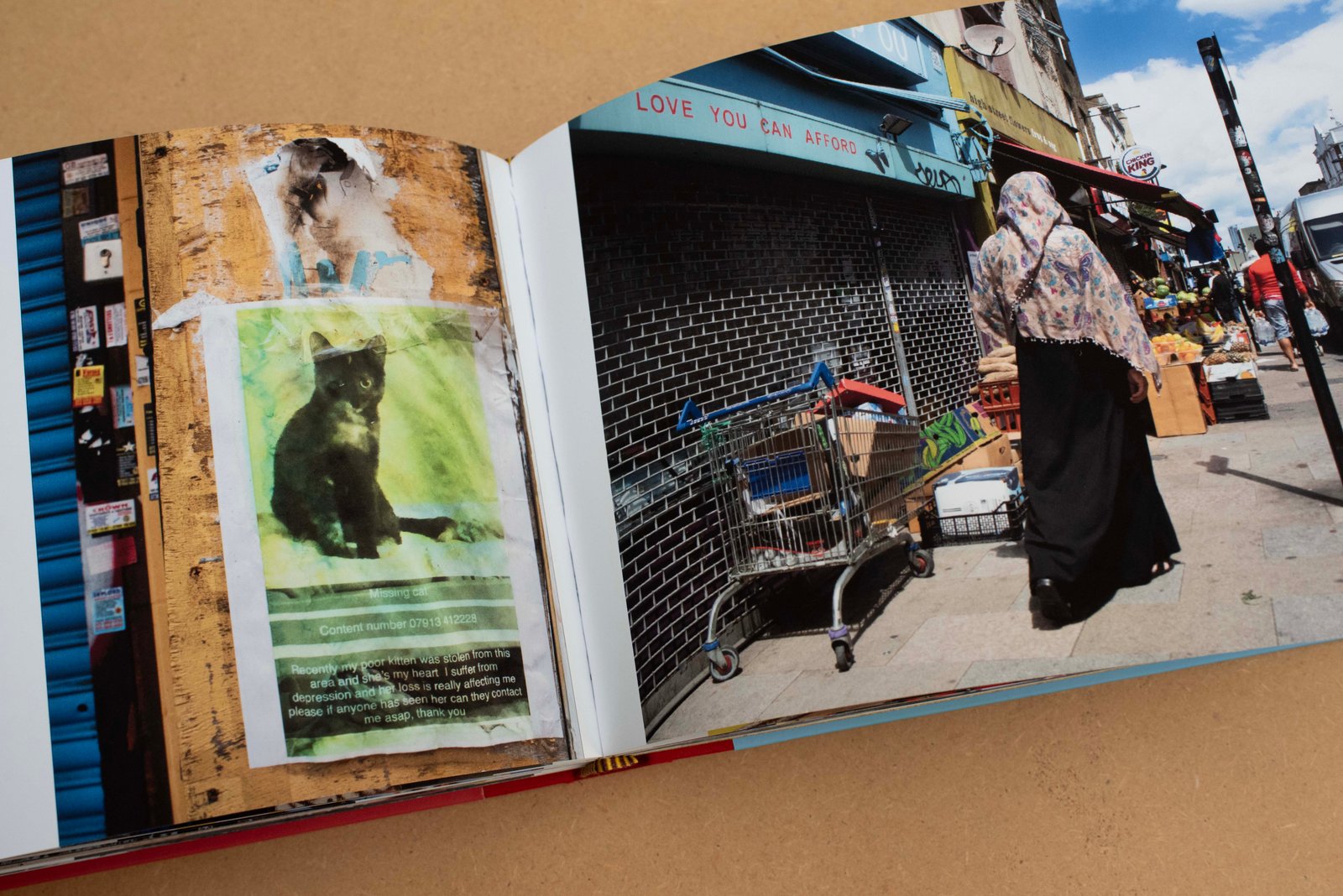
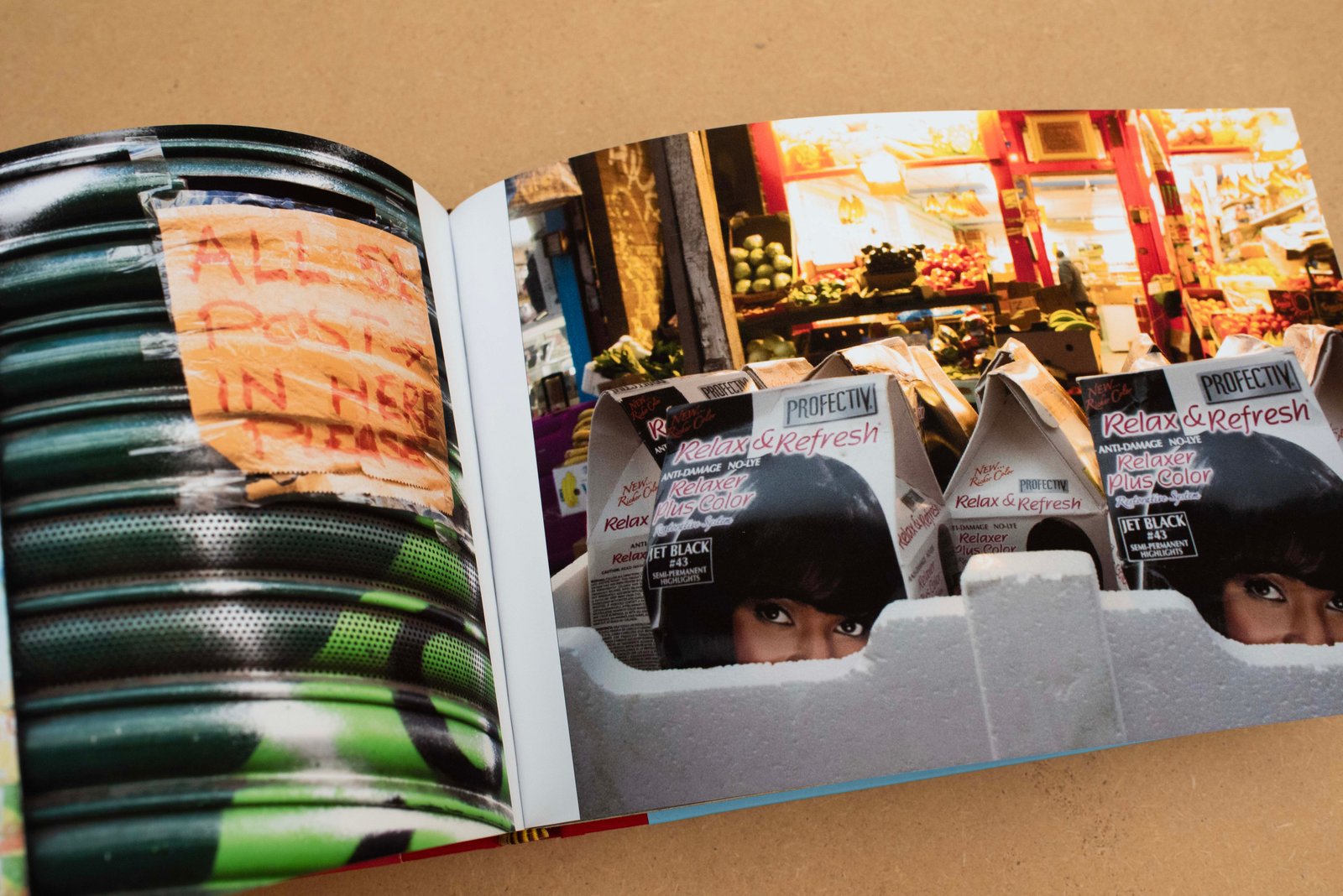
DPTFD: Deptford Broadway and High Street is a book about Deptford that focuses on the life and environment of the commercial districts of the Broadway and High Street. The book explores the texture of daily life on the street - in window displays, posters, packaging, etc. - as it shifts across the course of the day in changing light and weather conditions.
216pp. 240 x 160mm. Lokta endpapers and acetate cover.
London Night (2026)
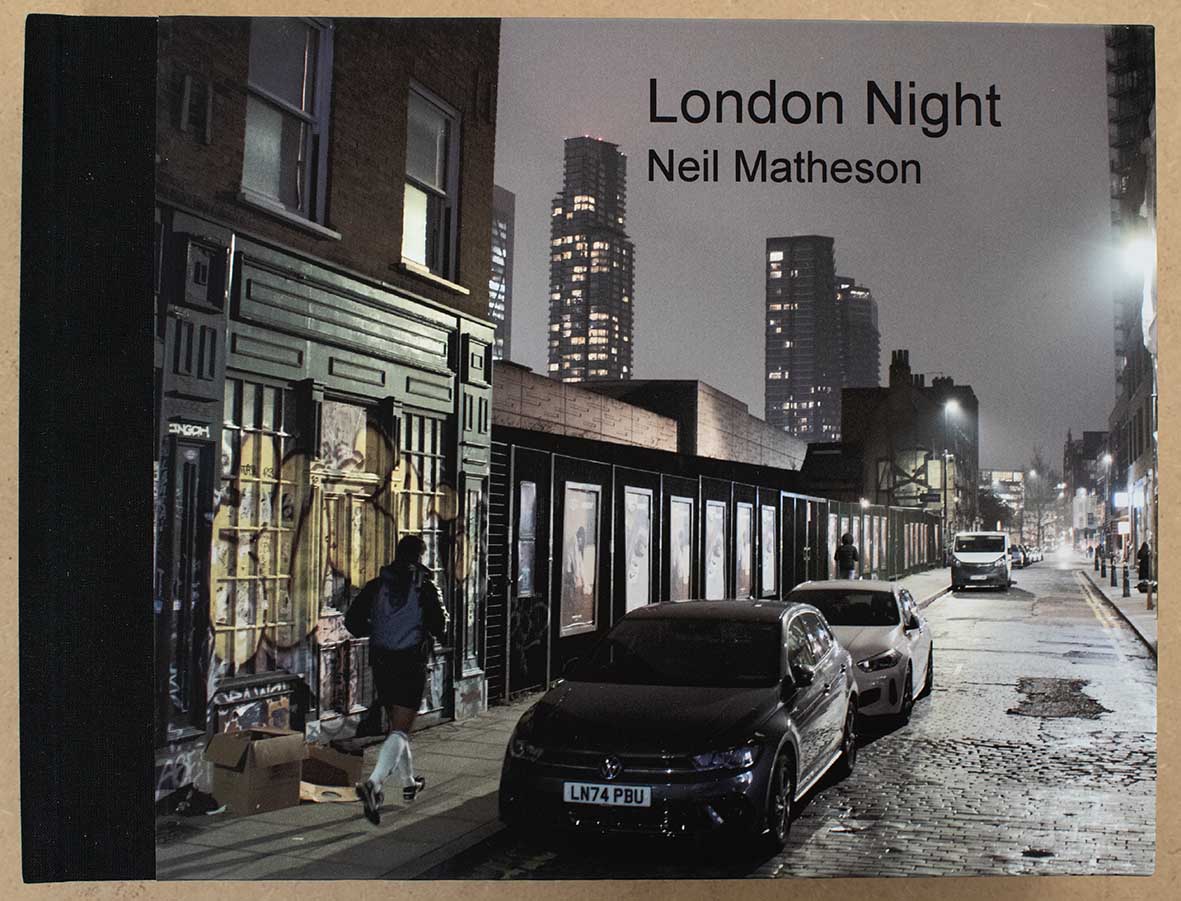
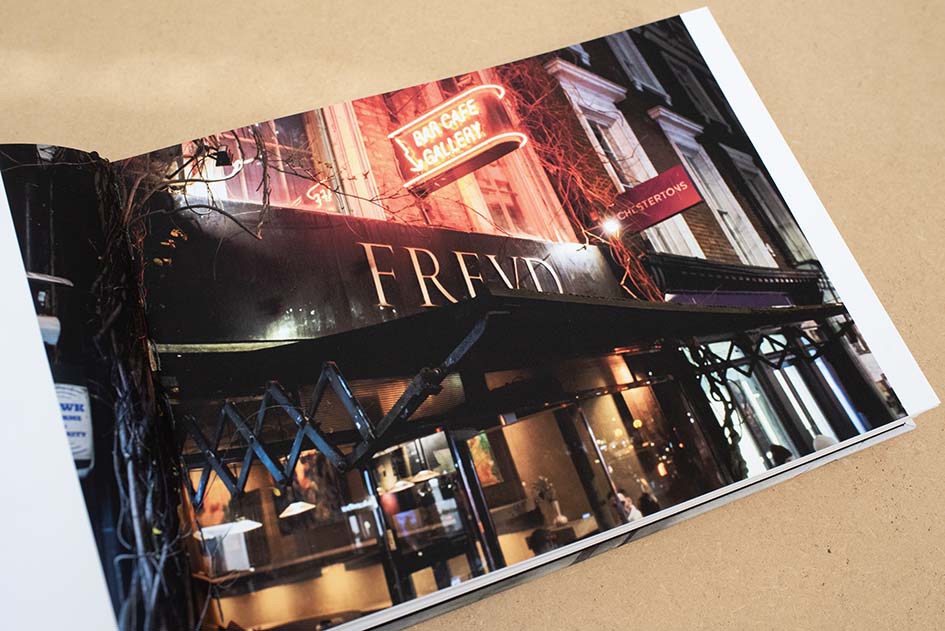
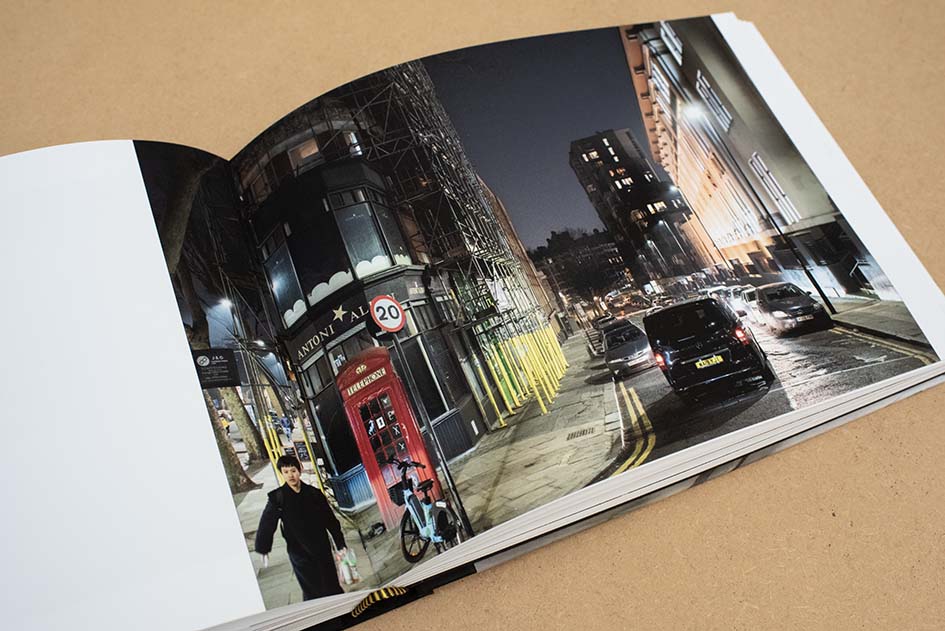
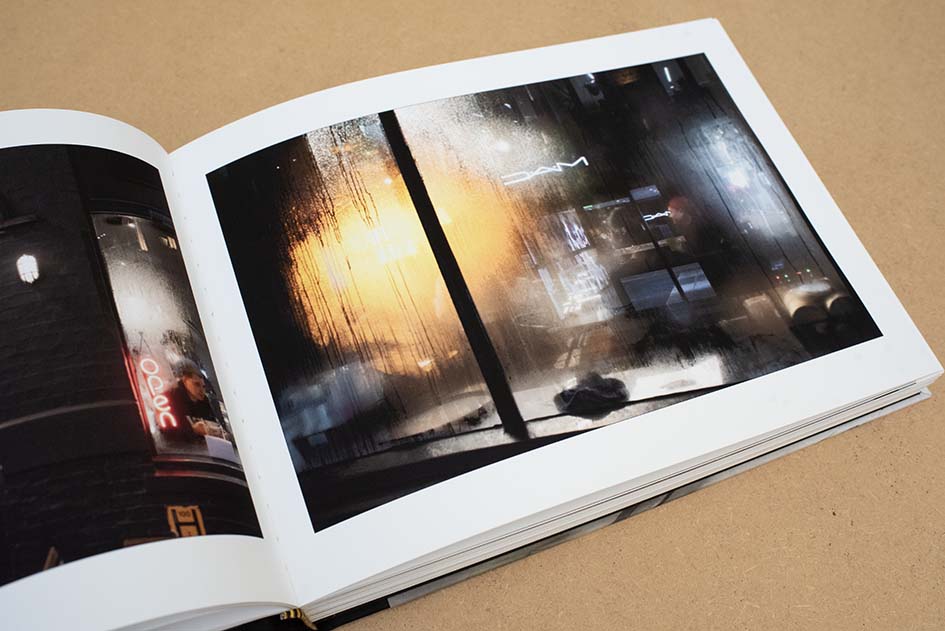
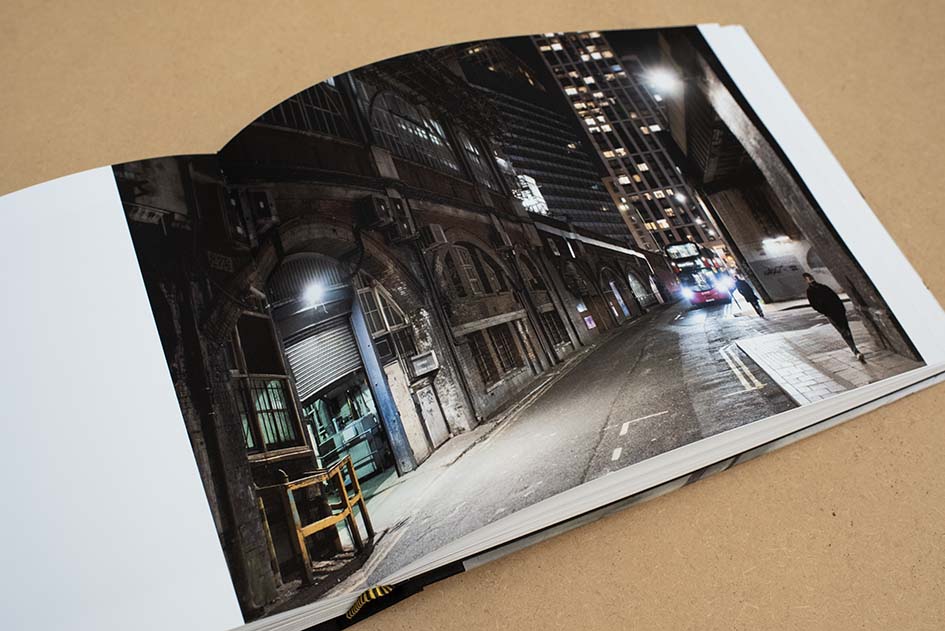
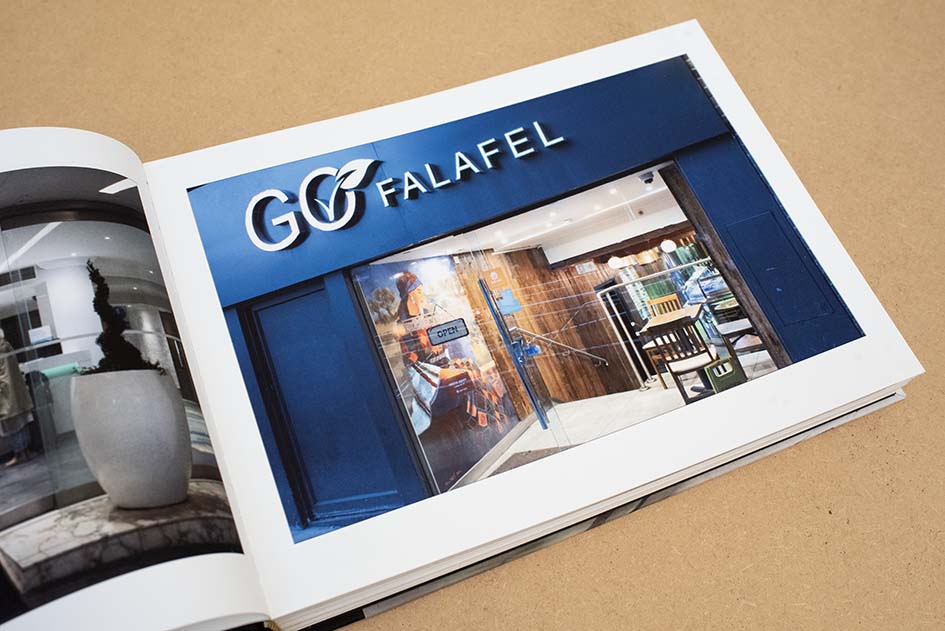
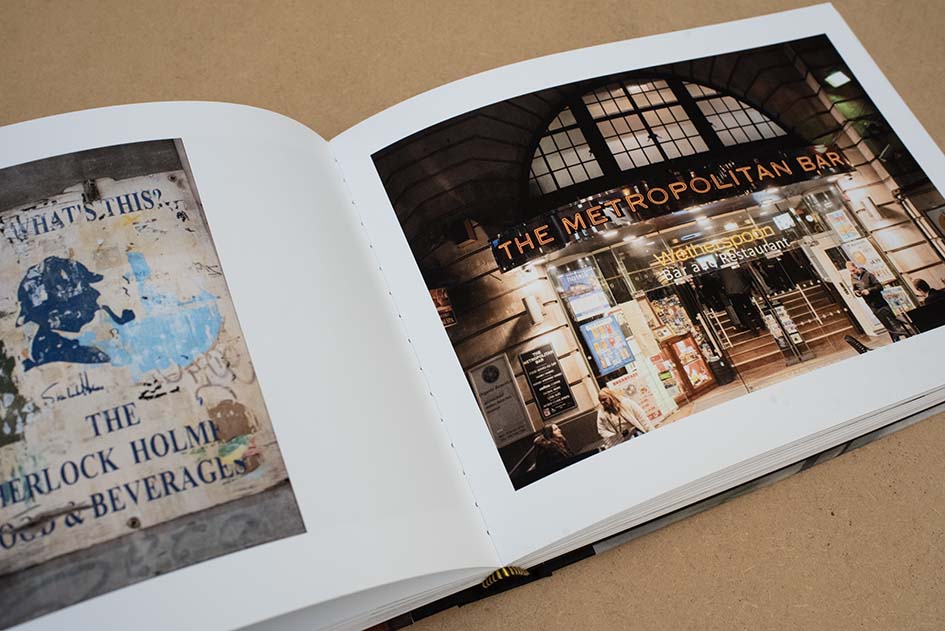
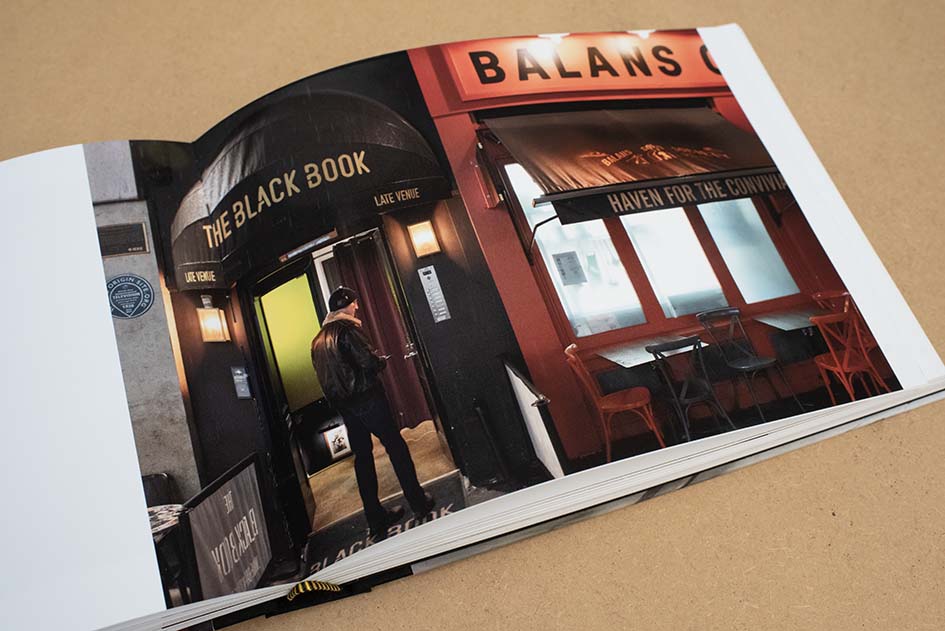
London Night: The City and East End is the first of a two-part series that surveys night life in London, with a focus on its stores, cafes, restaurants and bars. The book draws on ideas from Eric Ravilious's classic 'High Street' and Bill Brandt's 'A Night in London', both first published in 1938.
232pp. 240 x 180mm. Lokta endpapers and acetate cover.
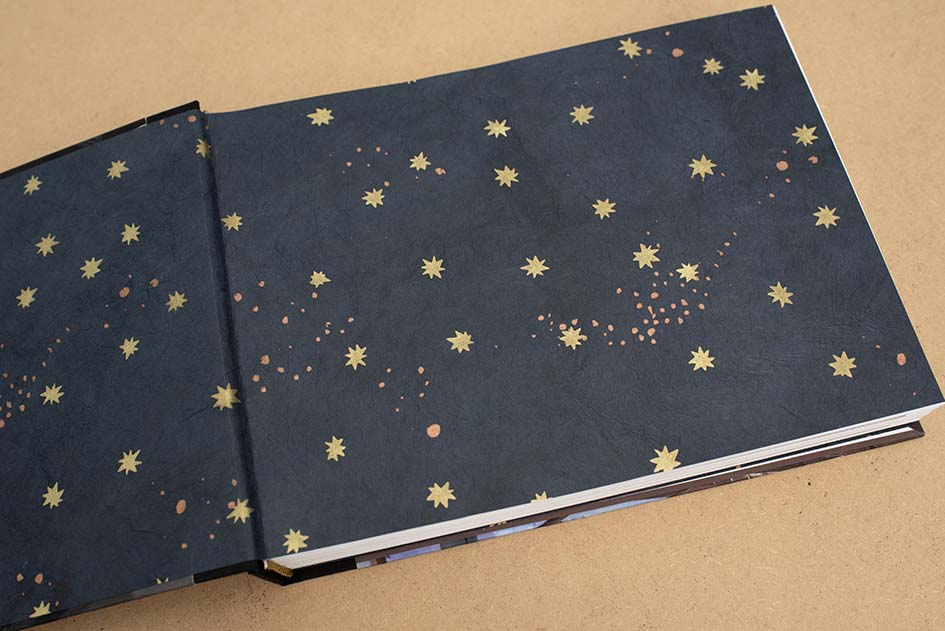
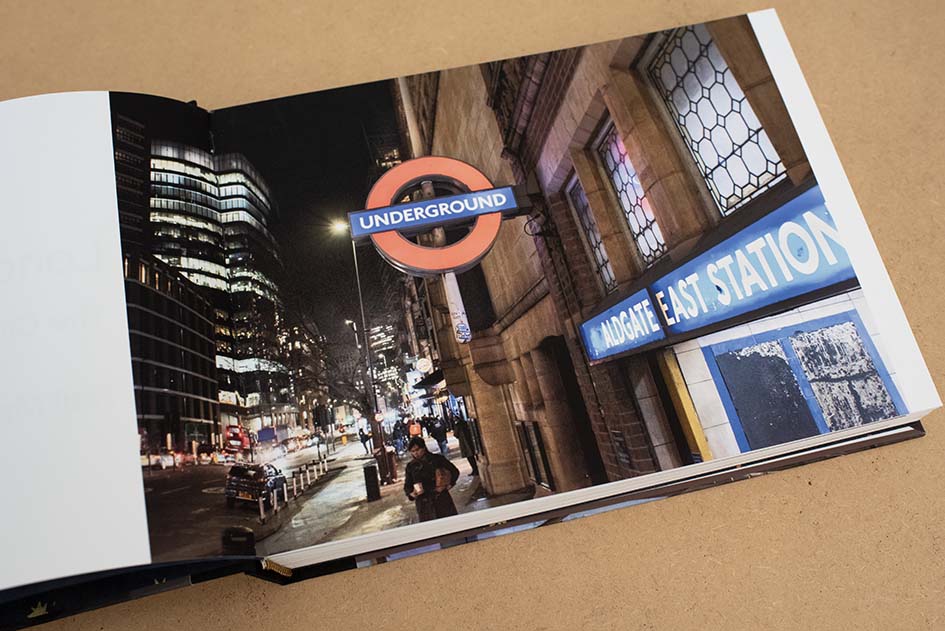
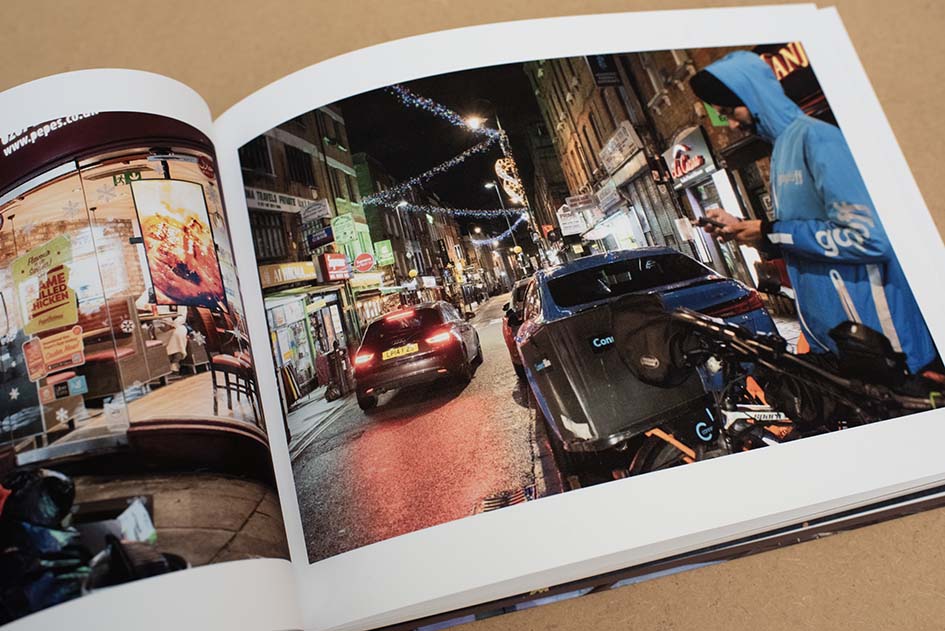
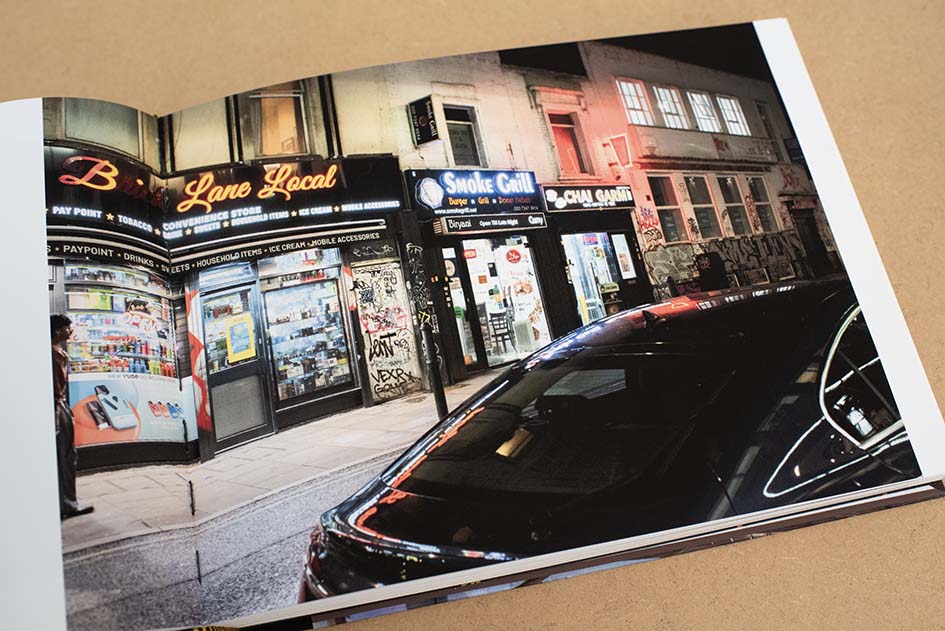
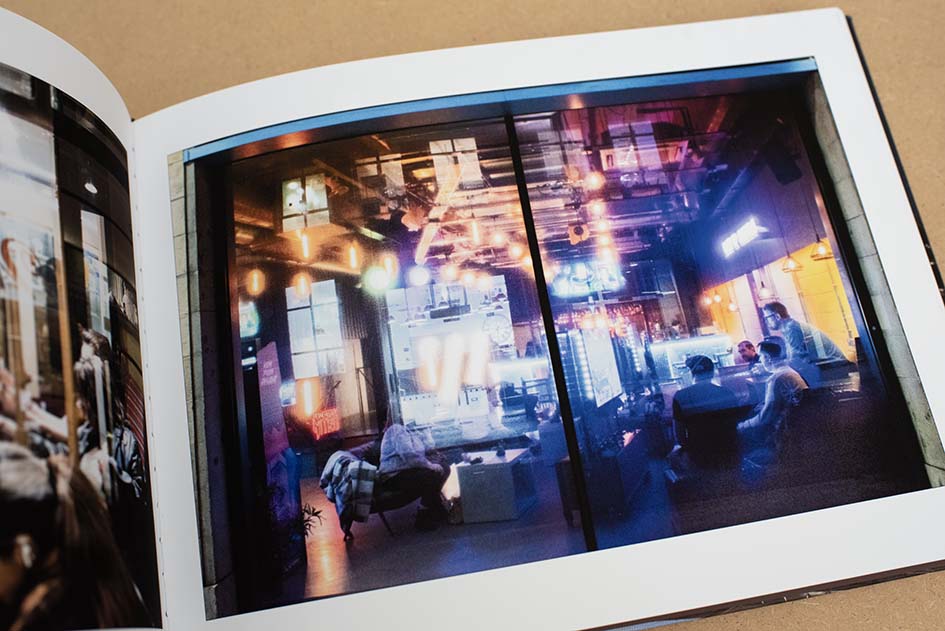
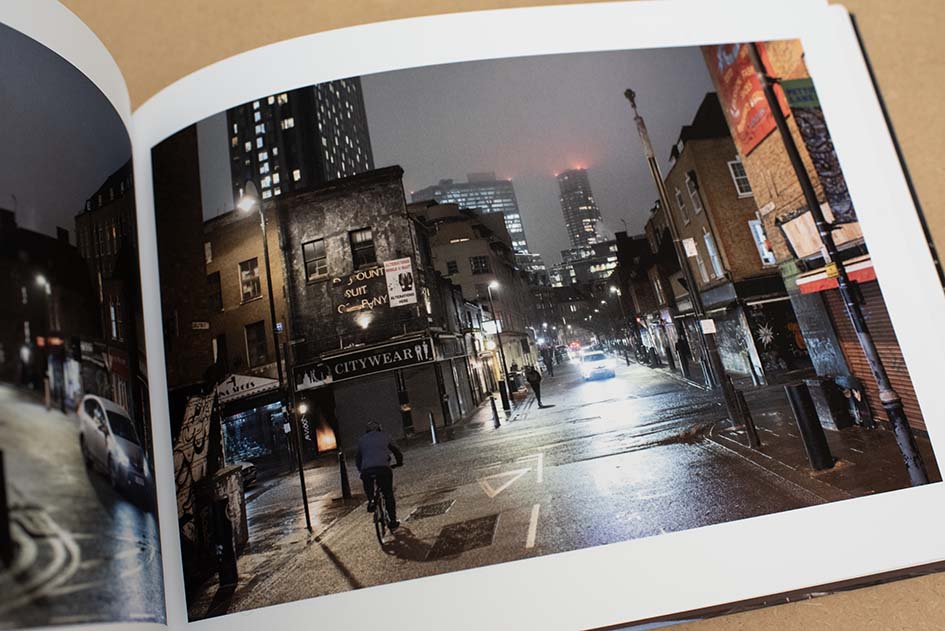
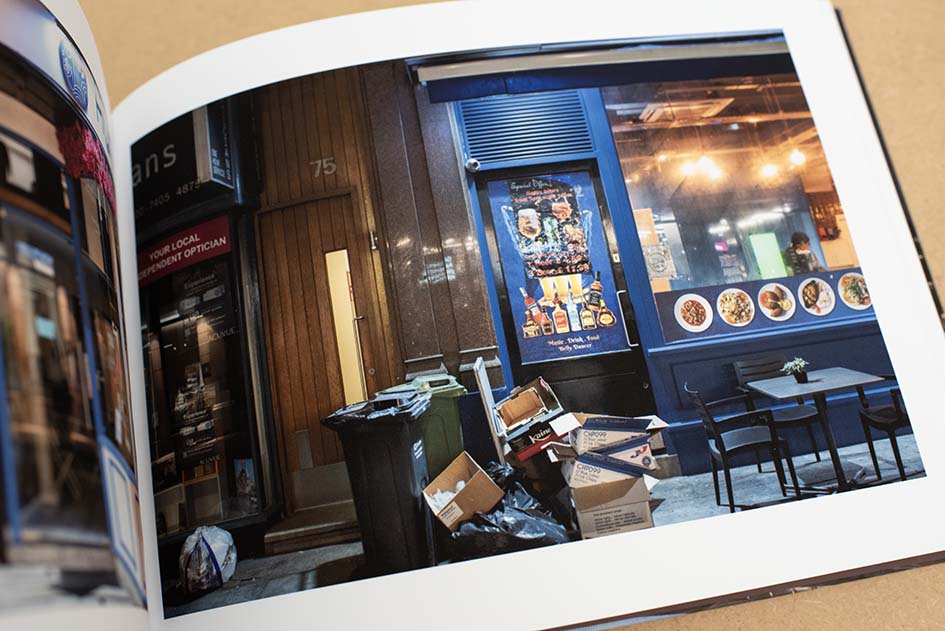
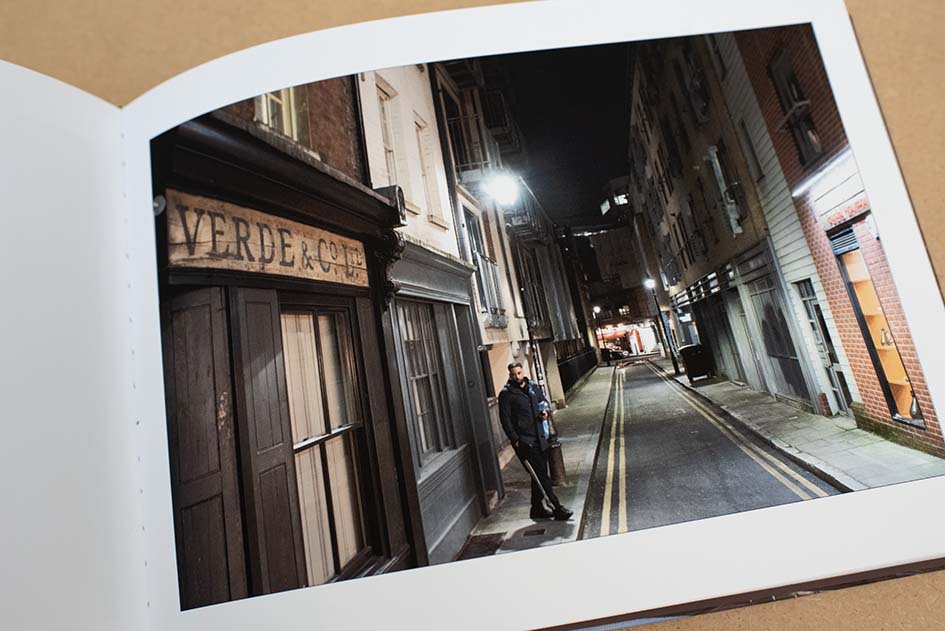
London Night 2 (2026)
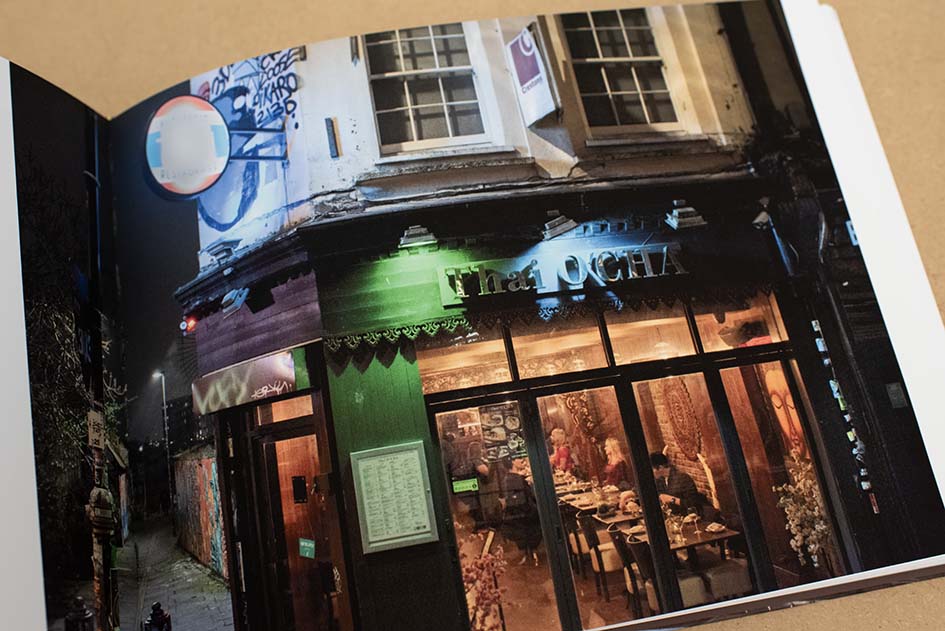
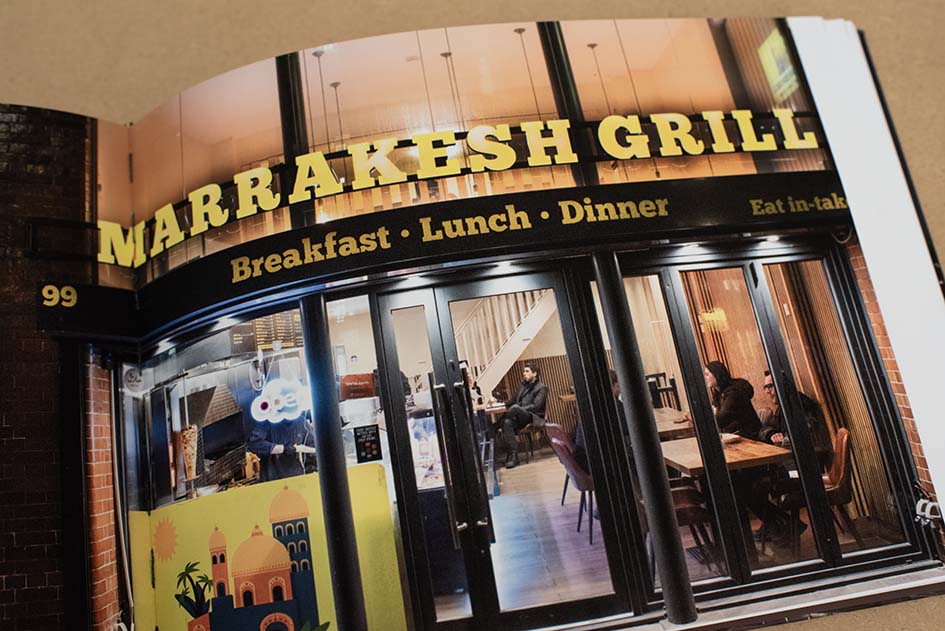
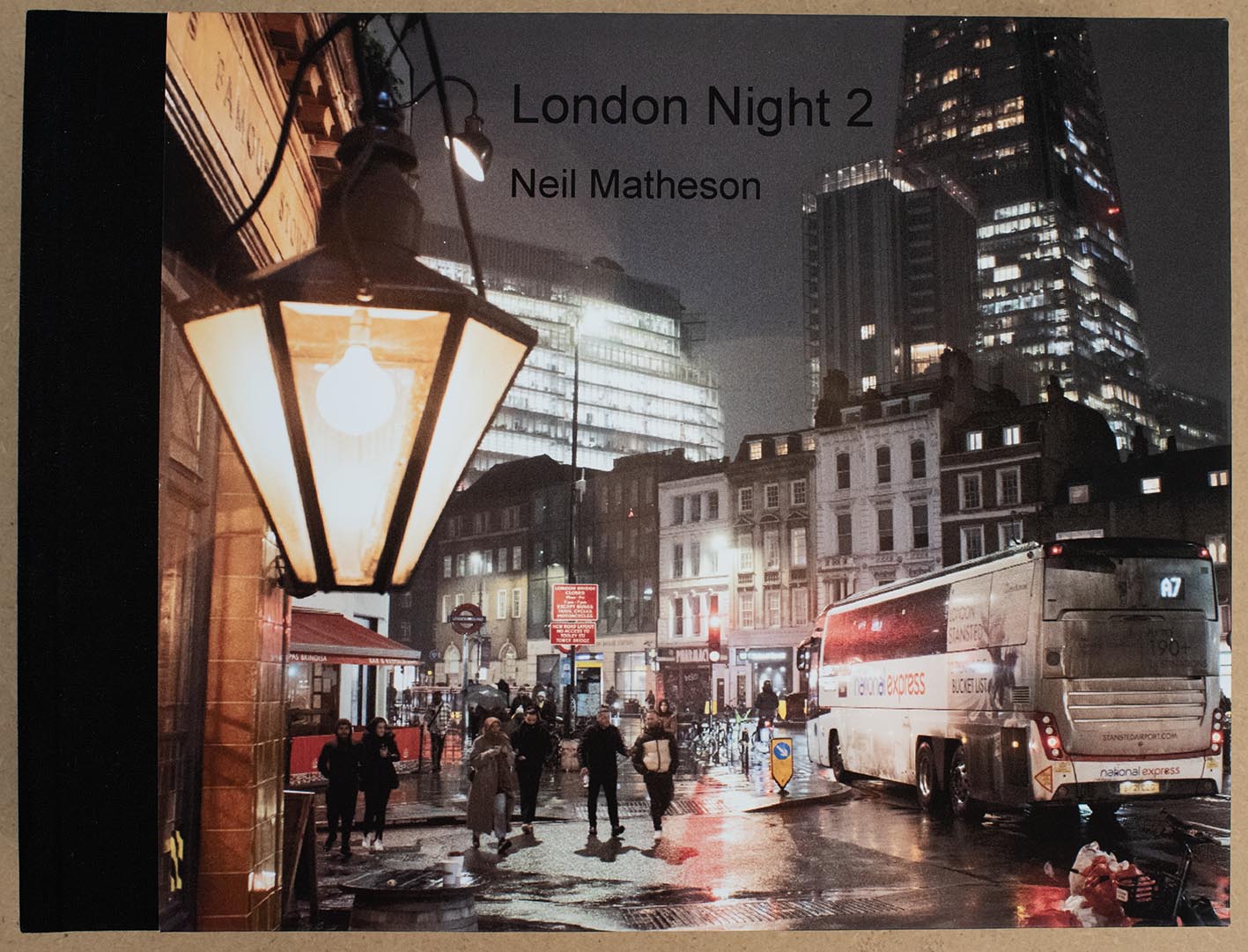
London Night 2: The West End, Shoreditch and West London is the second of a two-part series that surveys night life in London and covers the West End, Waterloo, Borough, Shoreditch, Chelsea and the Edgware Road. With a focus on cafes, restaurants, bars and shops, the book was inspired by Eric Ravilious's 'High Street' and Bill Brandt's 'A Night in London', both first published in 1938.
232pp. 240 x 180mm. Lokta endpapers and acetate cover.
Festive Greetings! (2026)
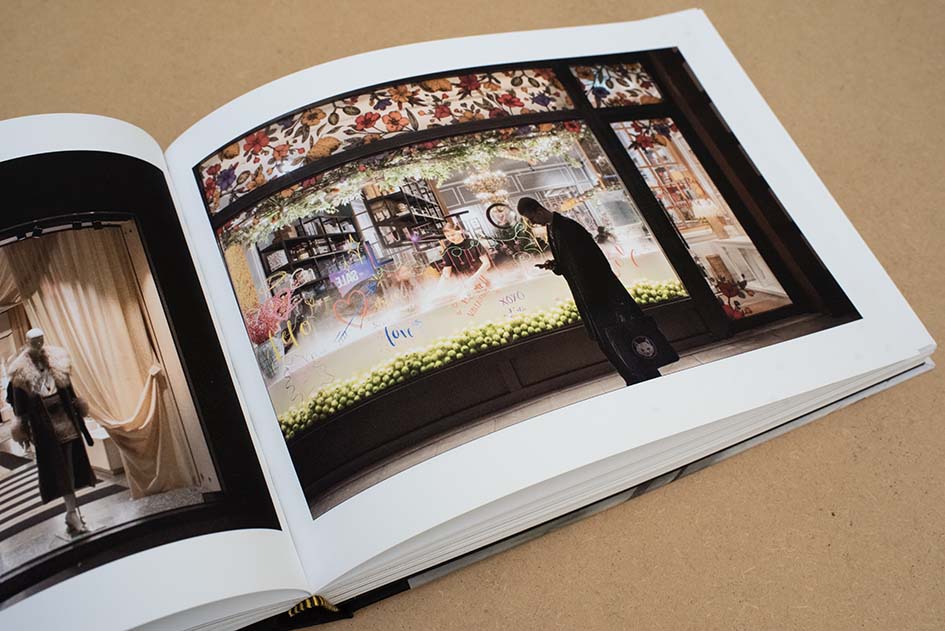
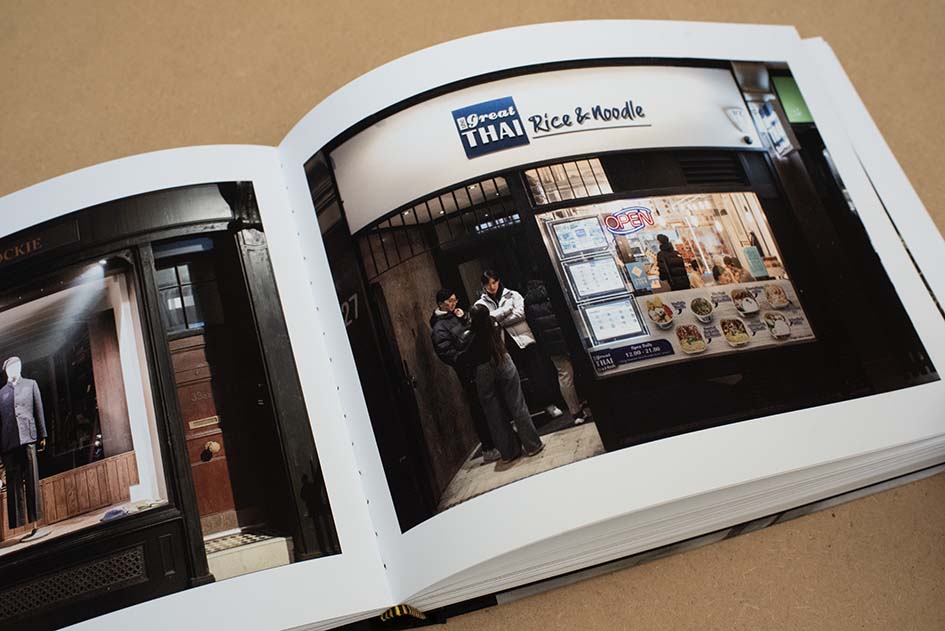
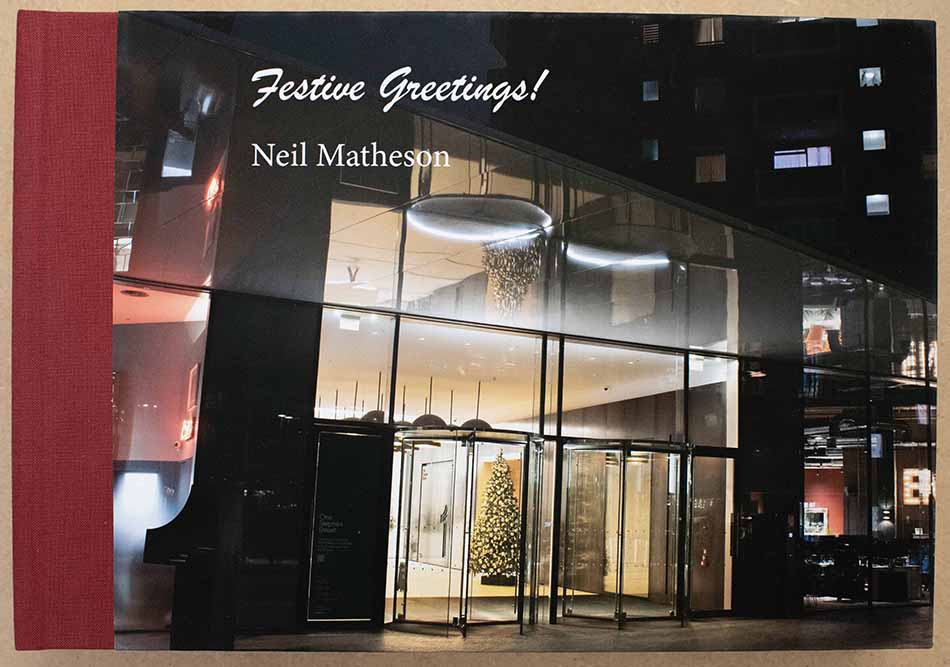
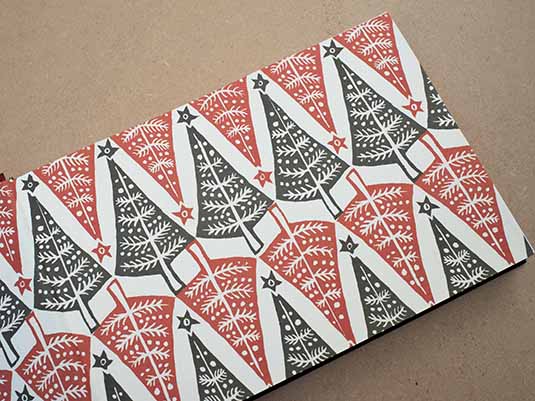
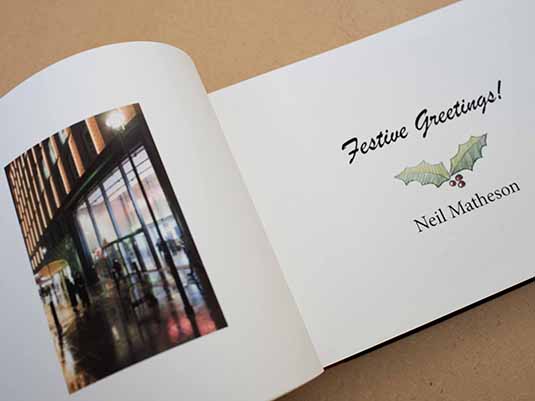
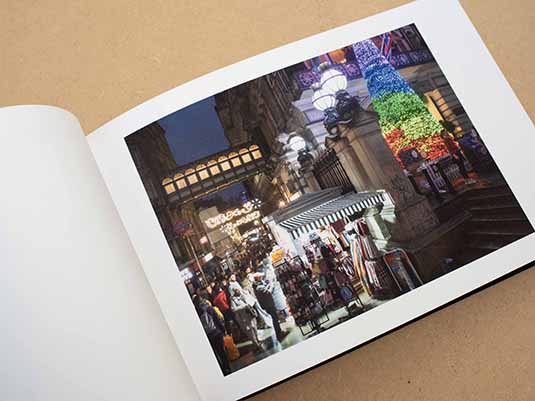
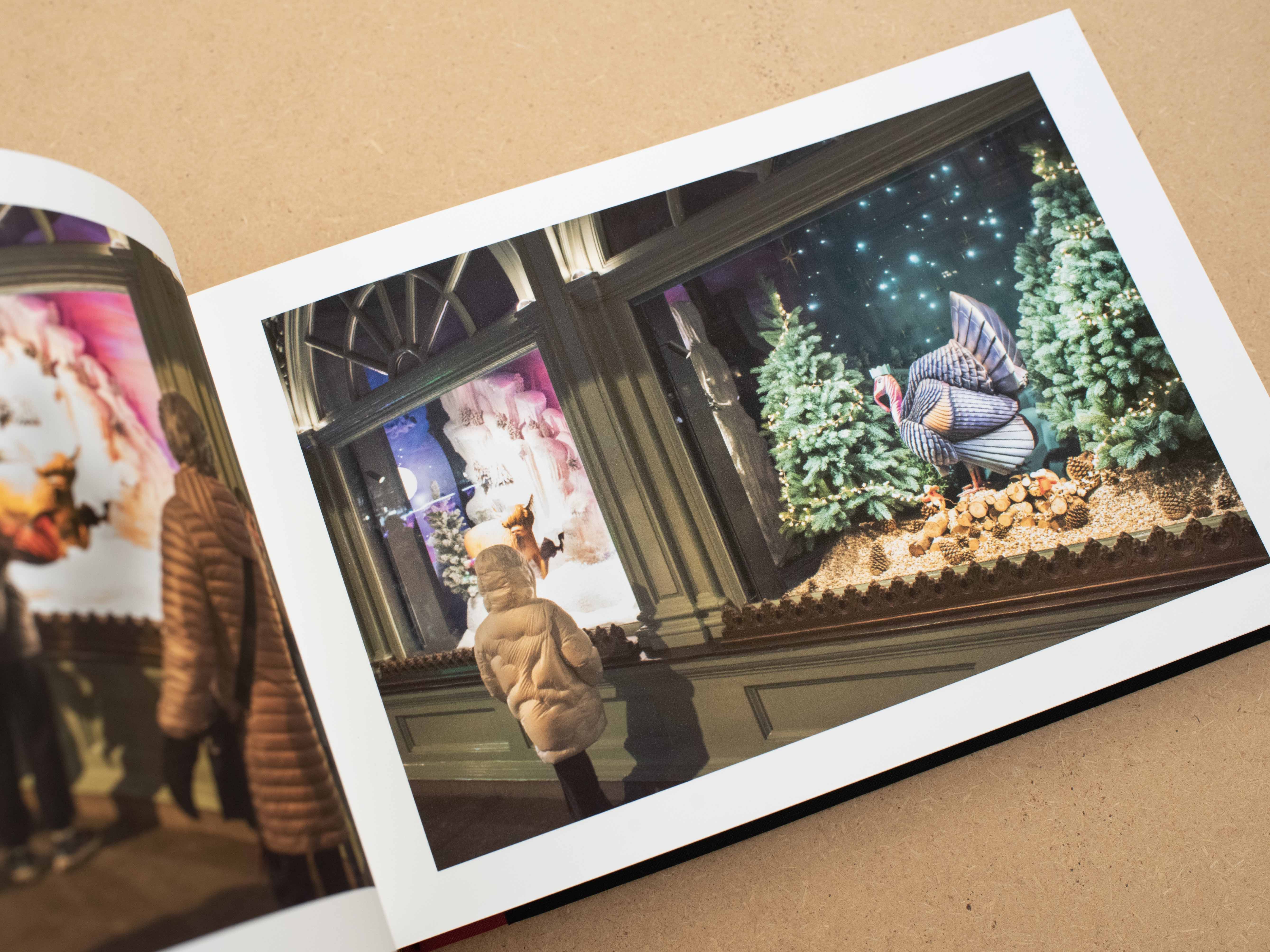
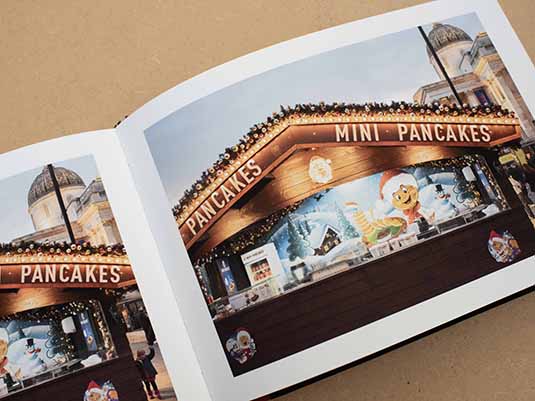
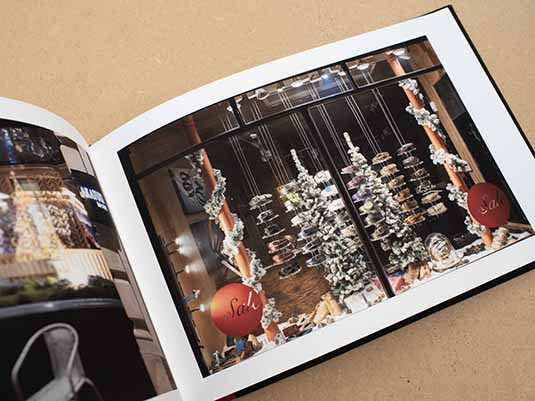
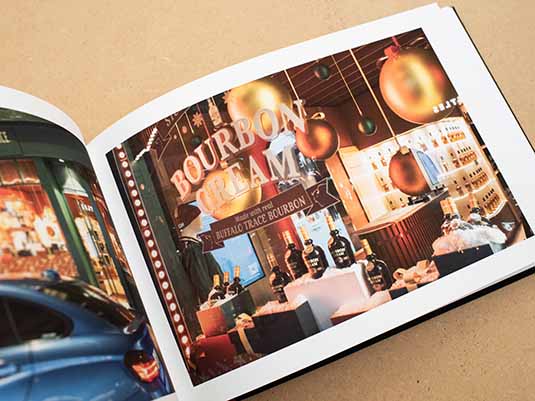
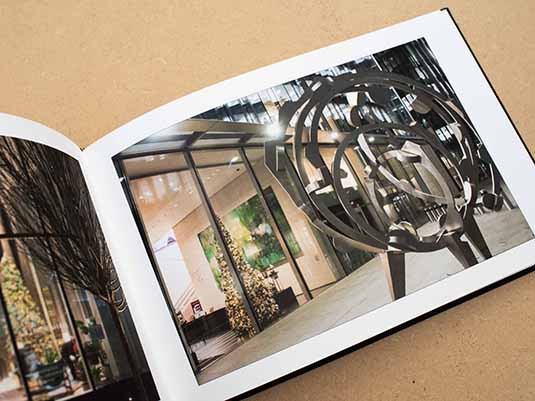
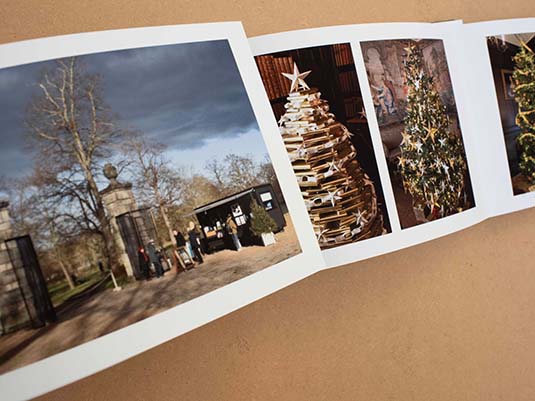
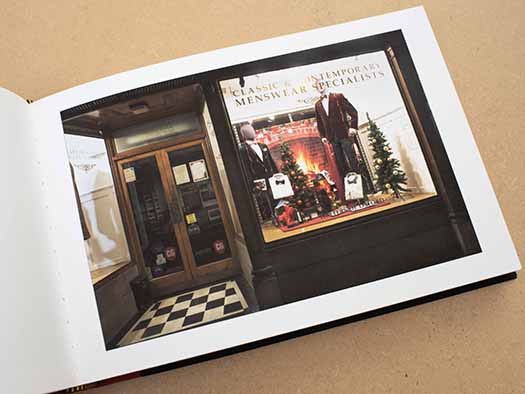
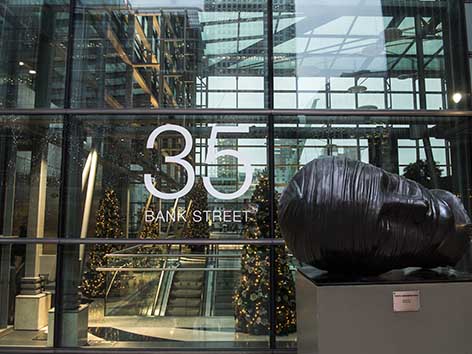
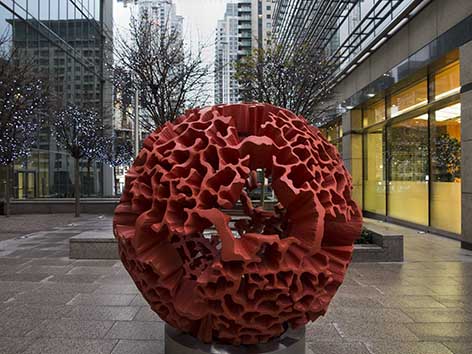
Festive Greetings! is a book that explores the corporate annexation of Christmas by focusing on the way in which commercial entities, hotels, restaurants and shops deploy Christmas trees, lights and decorations, whether as an extension of their ‘brand image’ or as a form of promotional material.
209pp. 238 x 163mm. Includes one double foldout. Acetate cover.
.jpg)
The Desecration of the Rose Garden (2025)
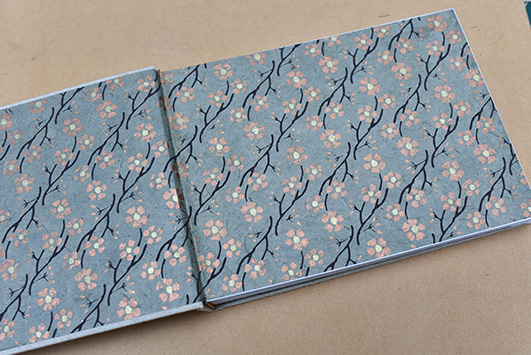
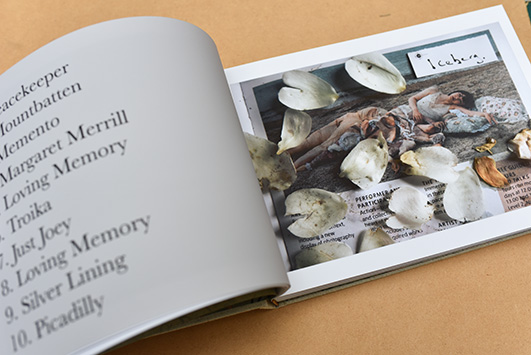
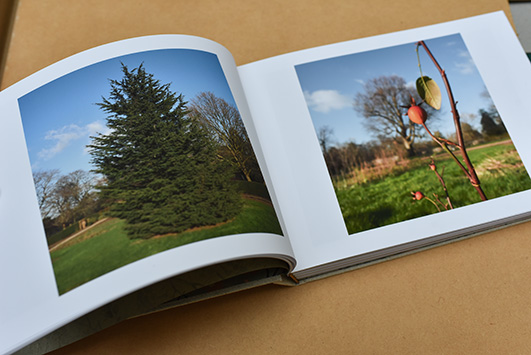
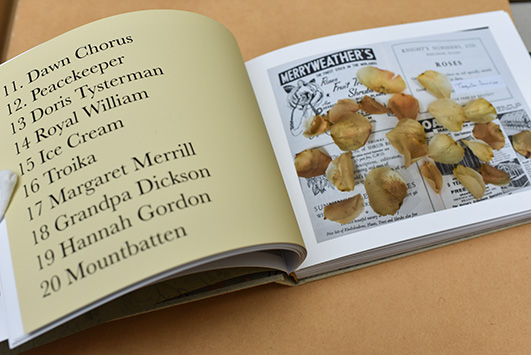
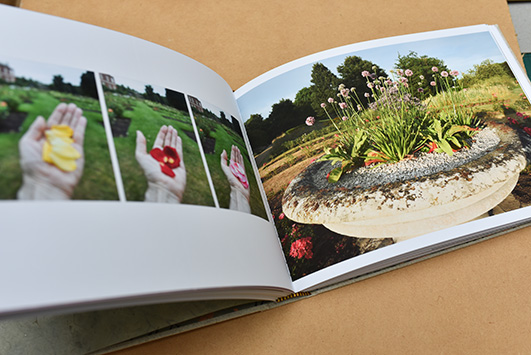
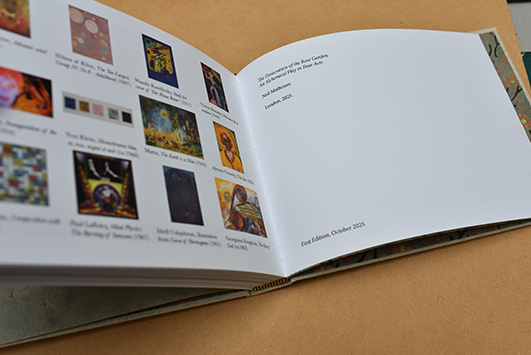
The Desecration of the Rose Garden: An Alchemical Play in Four Acts is a book that traces the destruction of the rose garden. The book is structured by month using the twelve stages of the alchemical 'Great Work', where each month has a plan of the garden in which the colours are taken from works by artists associated with alchemy, magic, spirituality and occultism. Artists used include Ithell Colquhoun, Kandinsky, Hilma af Klint and Mondrian, among others.
211pp. 236 x 174mm. Includes 24 watercolour charts and plans. Nepali lokta endpapers and linen covers.

.jpg)

After Hiroshige (2024)
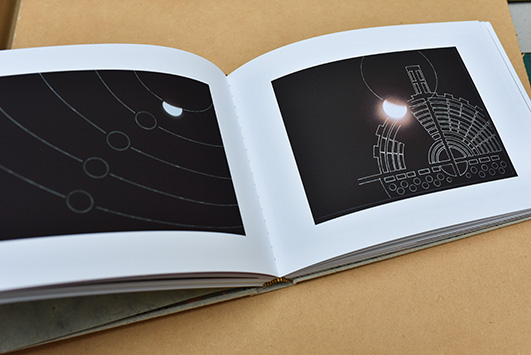
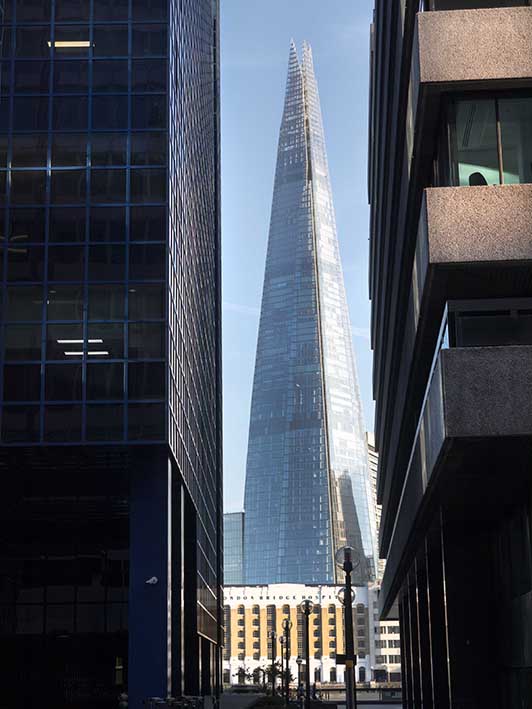
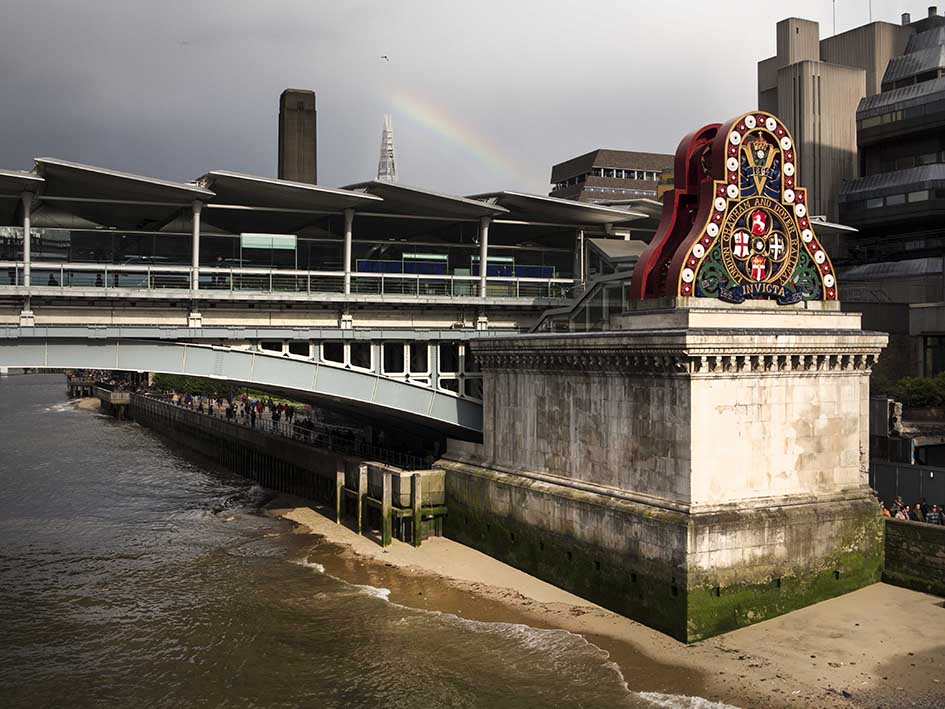
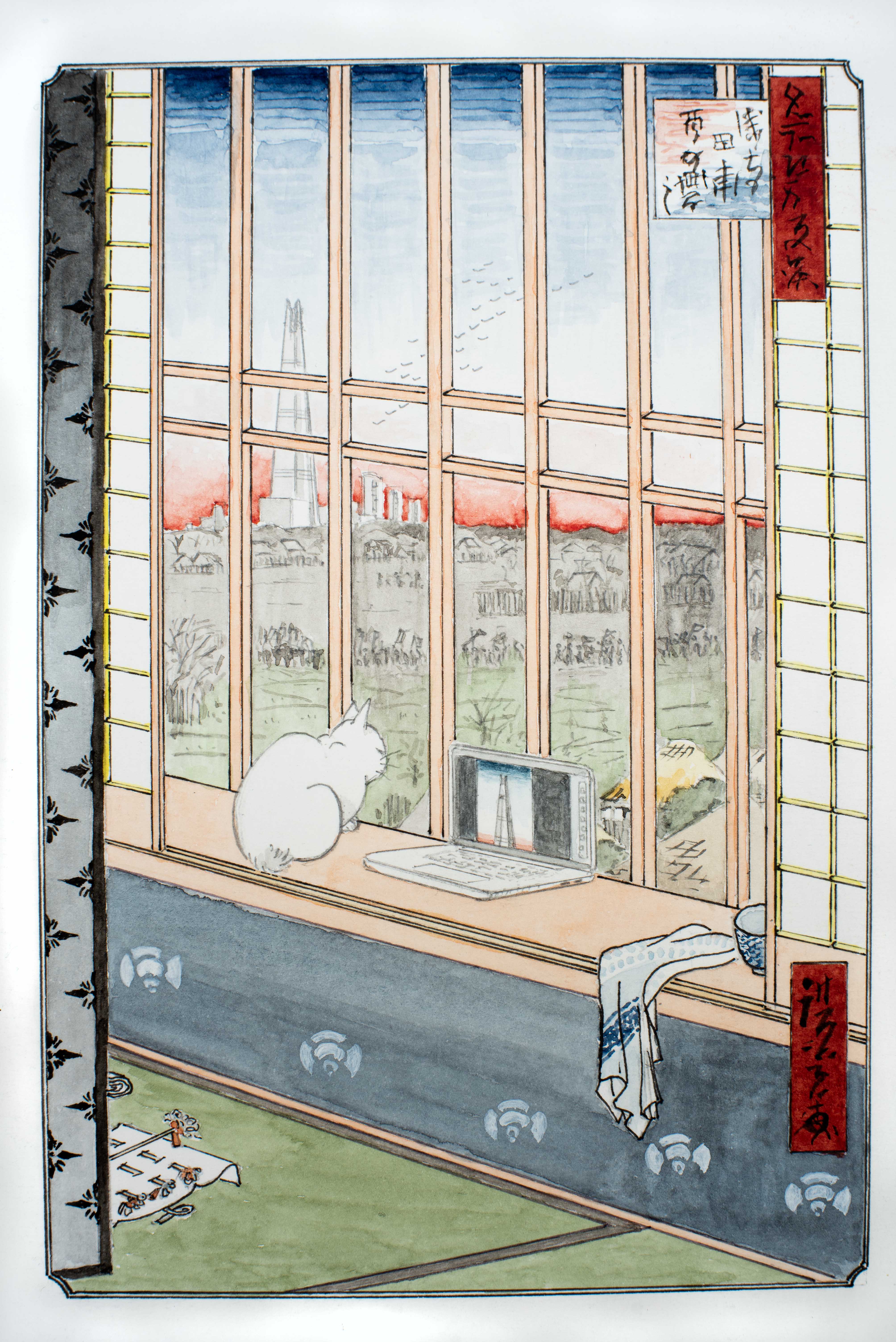
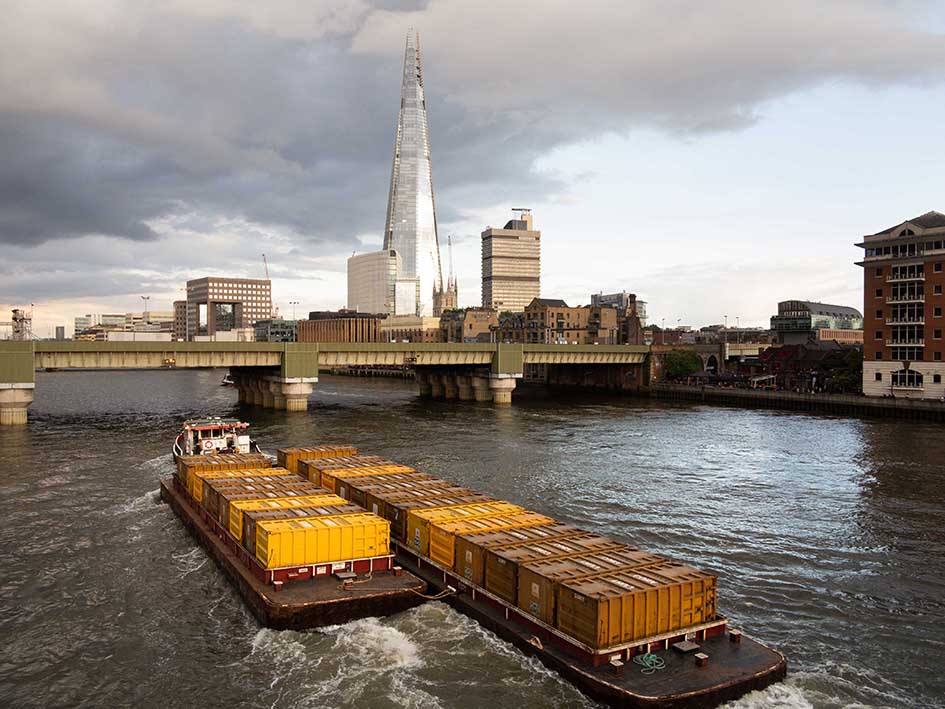
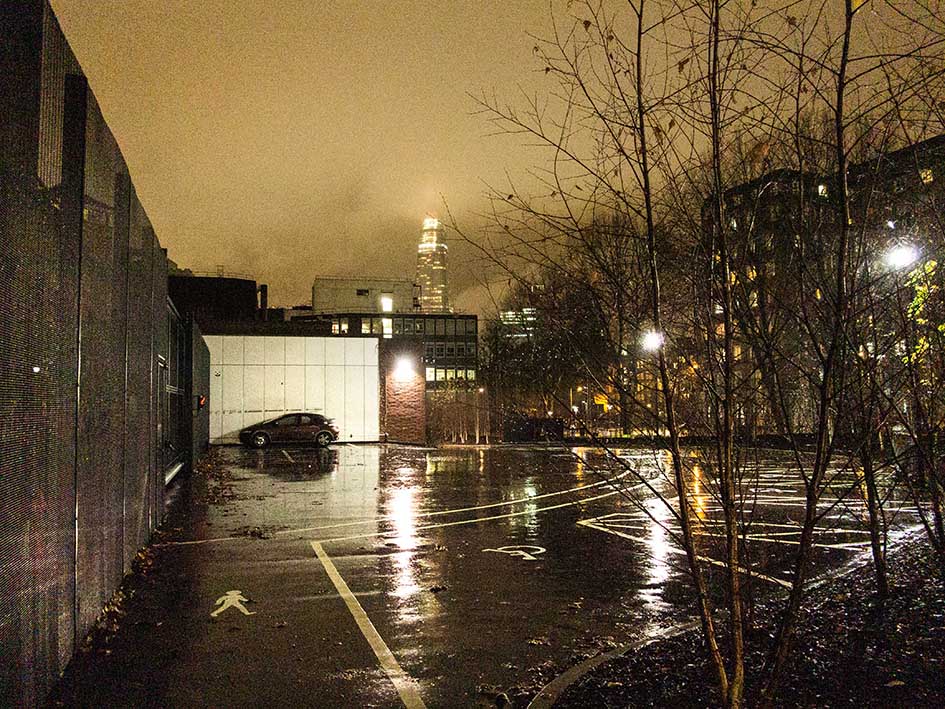
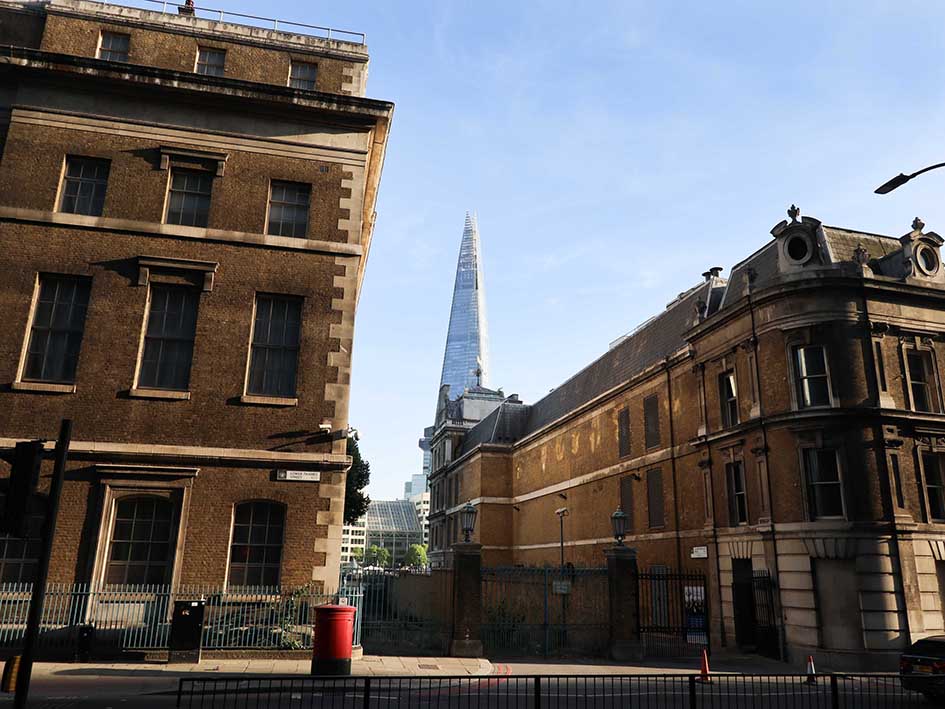
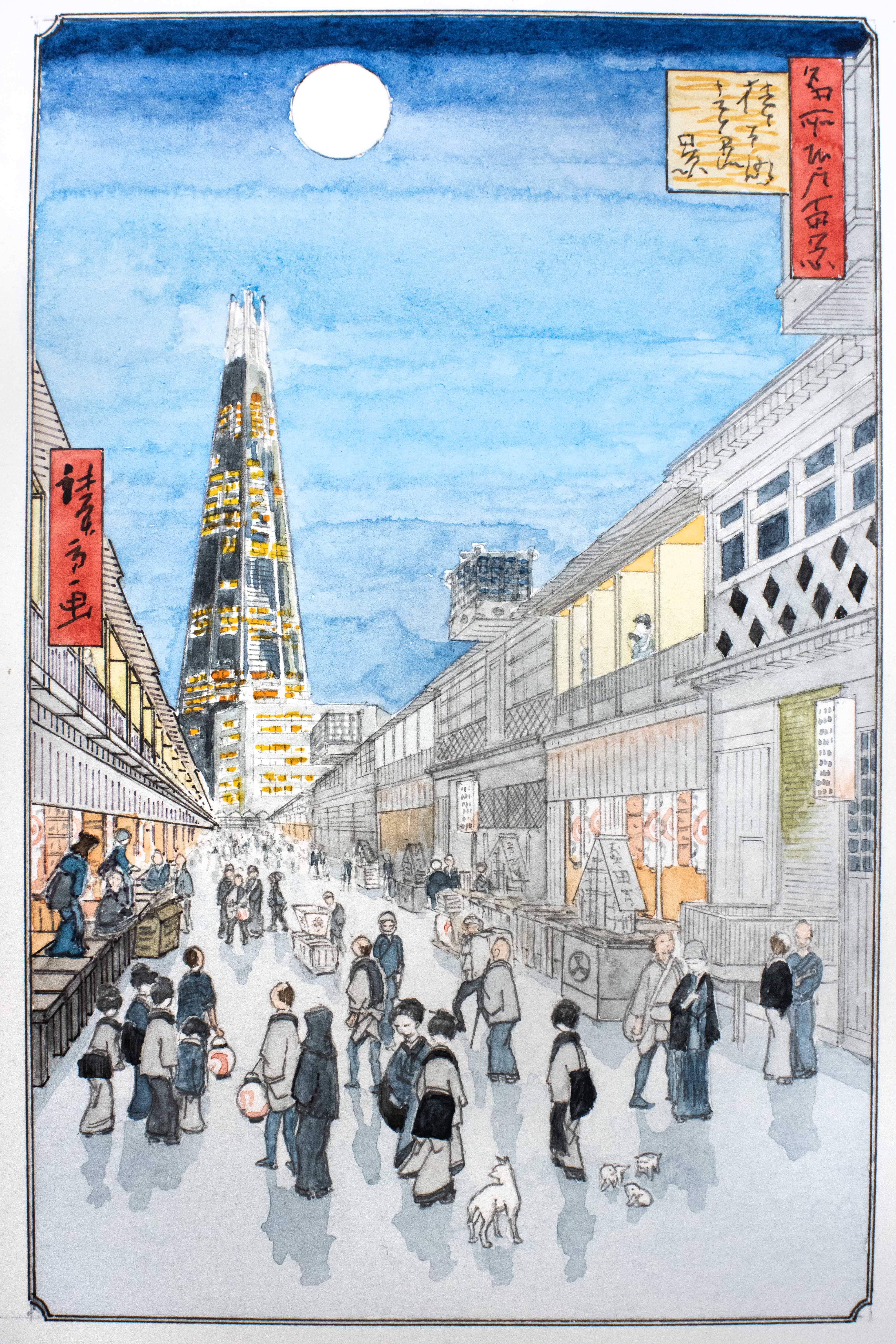
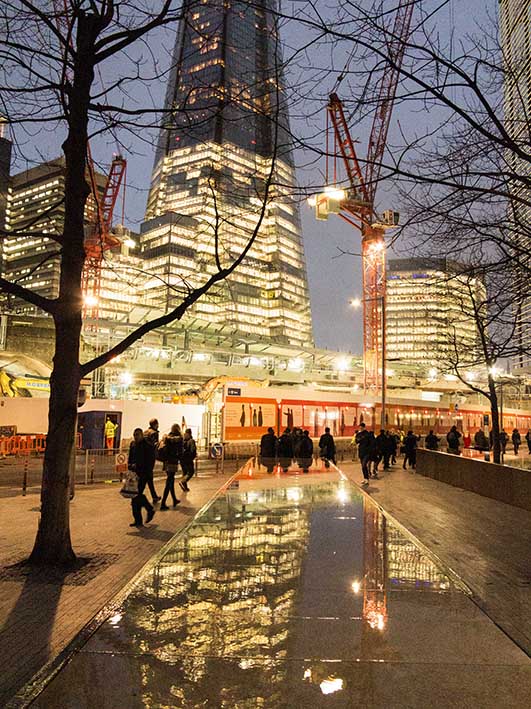
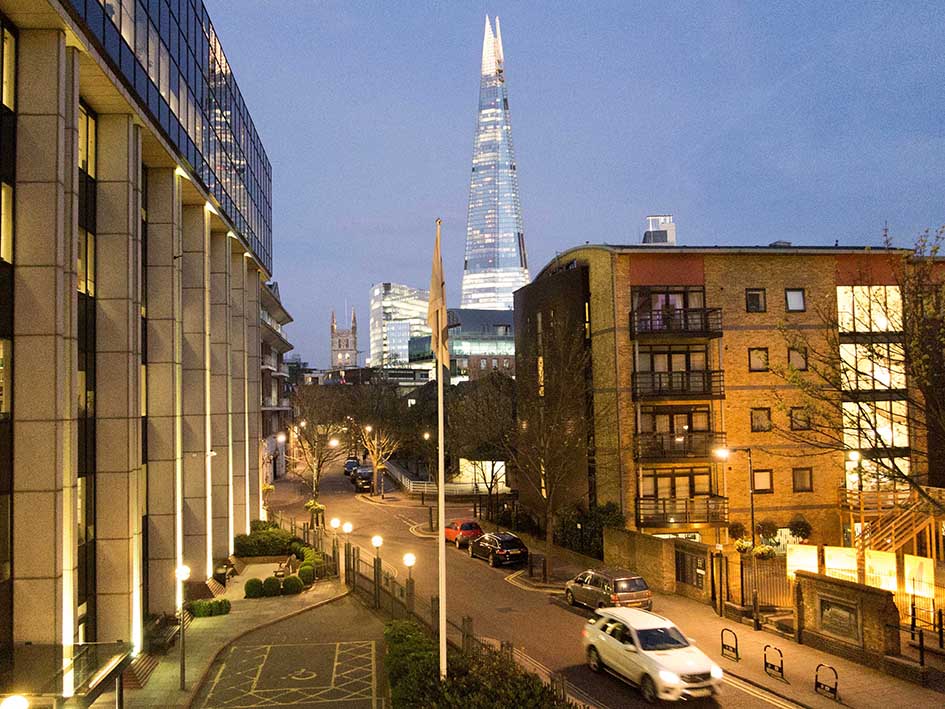
After Hiroshige: One Hundred Famous Views of the London Shard is a book that revolves around the tower of the Shard within the urban landscape and skyline of London, echoing the role of Mount Fuji as a recurring motif in the work of both Hokusai and Hiroshige.
The book includes fifteen watercolours based on Hiroshige's 'One Hundred Famous Views of Edo'. Shortlisted for the Dummy Award 2025 - see Vimeo at: Dummy Award 2025
156pp. 240 x 182mm. including fifteen watercolours. Chiyogami endpapers and acetate cover.


No Sex in Heaven (2025)
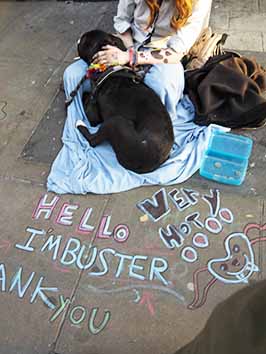
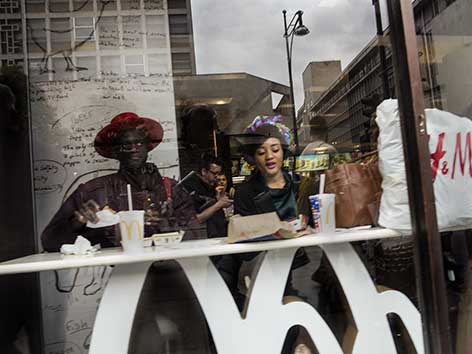
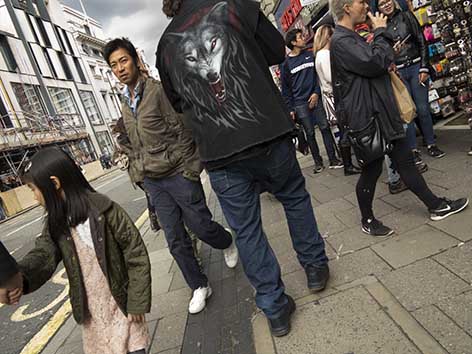
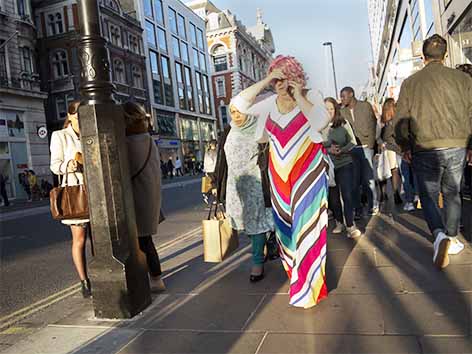
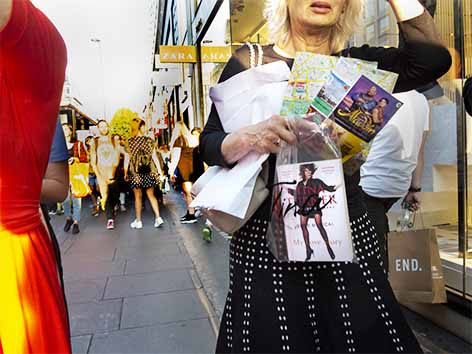
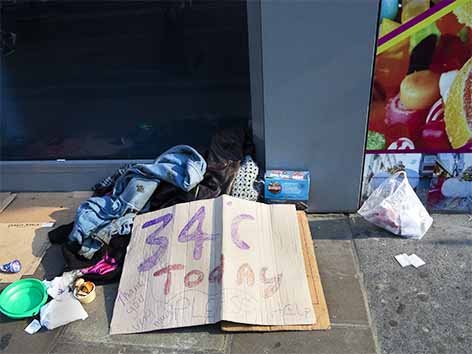
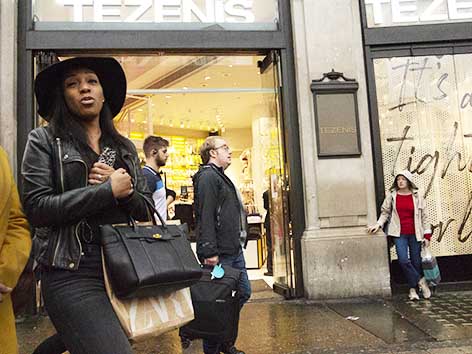
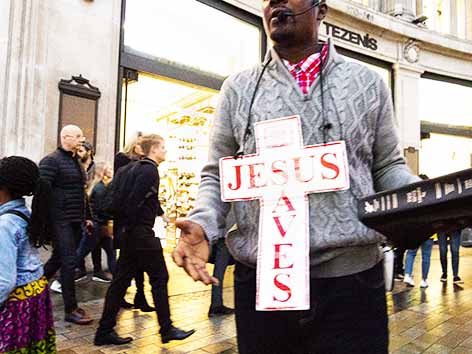
No Sex in Heaven is a photobook produced on London's Oxford Street, the city's major shopping axis, weaving together three thematic strands: mass consumerism, religious evangelism and street homelessness. Deploying both imagery and texts, the book explores the juxtaposition of affluence and poverty, street performance, political protest and campaigning on London's streets.
187pp. 240 x 182mm. Casebound, with Chiyogami endpapers and acetate cover.


Circulation II: 2015 (2024)
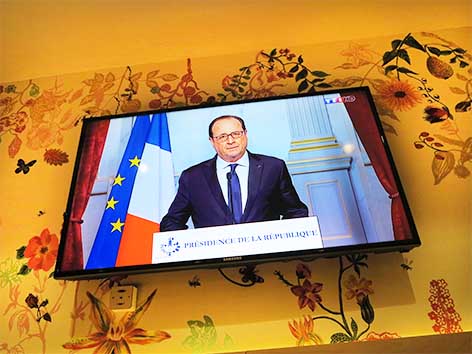
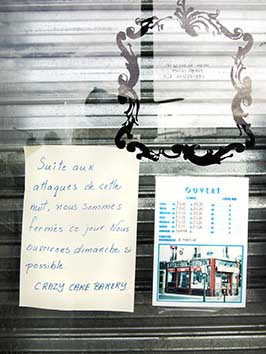
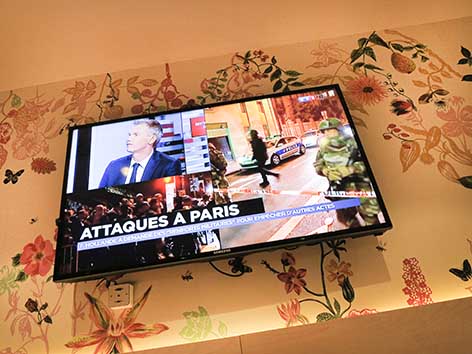
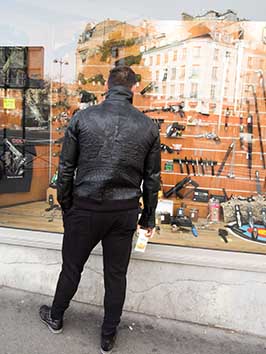
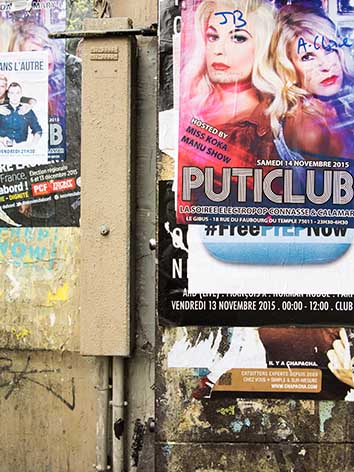
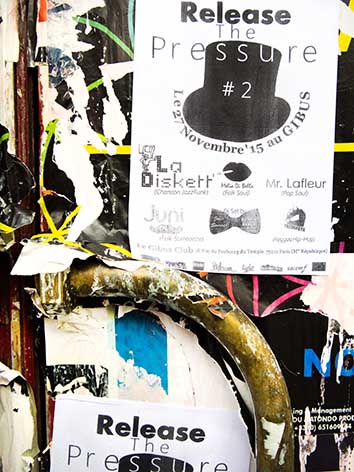
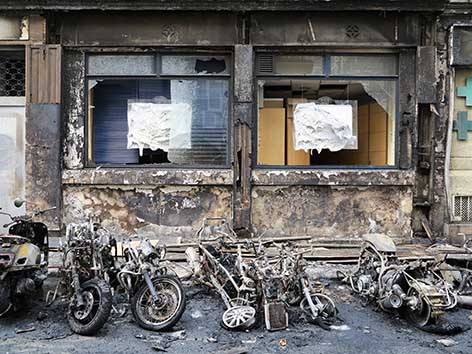
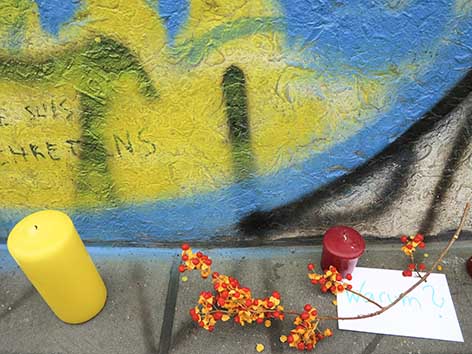
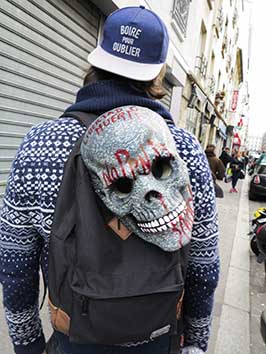
Circulation II: 2015 is the first part of the Circulation II series (2015-19), produced during Paris Photo week in November of each year from 2015 to 2019, extending from the Bataclan attack to the onset of the Covid-19 crisis. The first volume covers the immediate aftermath of the Bataclan attacks, which saw the city in shock and the closure of public events.
The title borrows from Takuma Nakahira's 1971 exhibit at the Seventh Paris Biennale - 'Circulation' - a continual flow of media imagery and street photos that he photographed on the streets of Paris, printed, and then displayed during the course of the exhibition itself.
69pp. 204 x 274mm. Hardback open-spine binding with hand-coloured threads, with Chiyogami endpapers and foldouts. Acetate cover.

Circulation II: 2016 (2024)
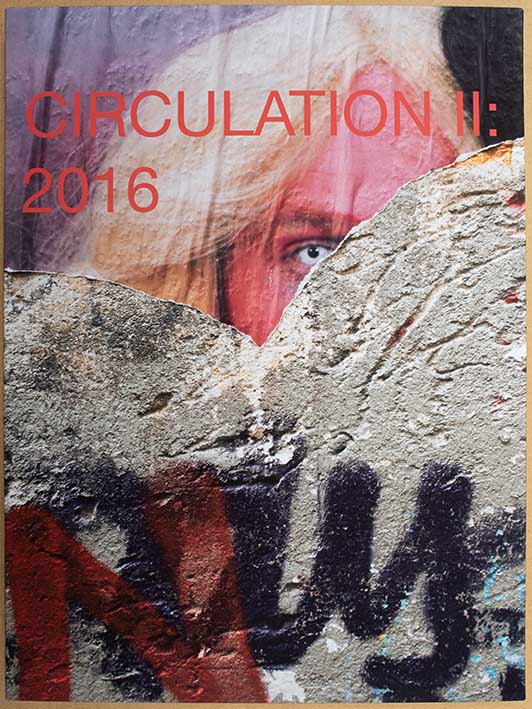
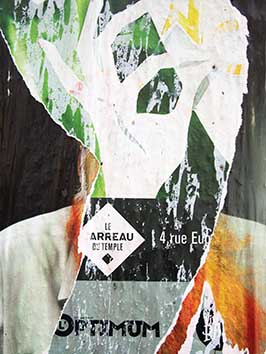
Circulation II: 2016 is the second part of the series Circulation II , shot in Paris during November 2016. Like the rest of the series, the volume is a diaristic record that focuses on the role of the image in public spaces - media, advertising, fashion, TV, etc. - with particular emphasis on the role of the photograph.
77pp. 204 x 274mm. Hardback open-spine binding with hand-coloured threads and Chiyogami endpapers. Acetate cover.


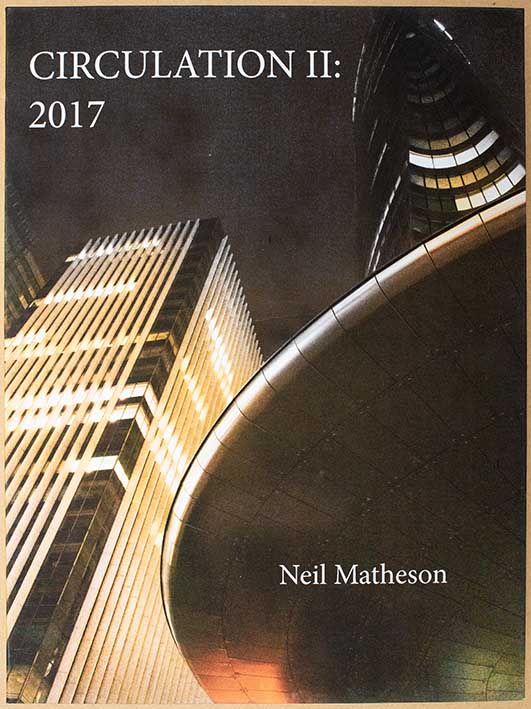
Circulation II: 2017 (2024)
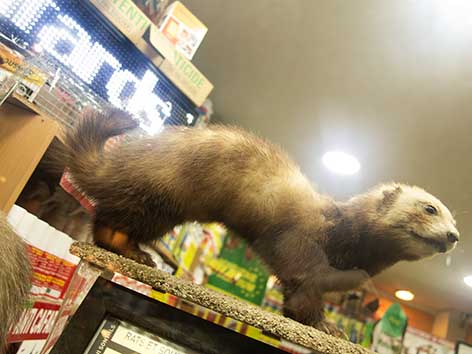
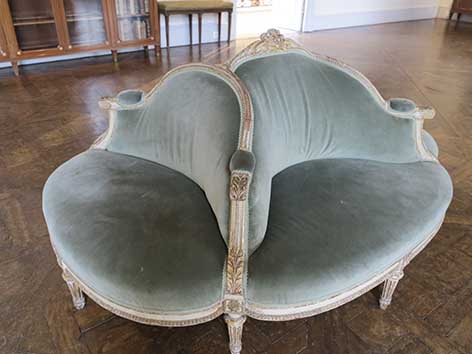
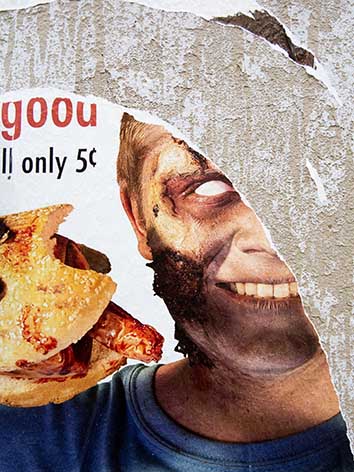
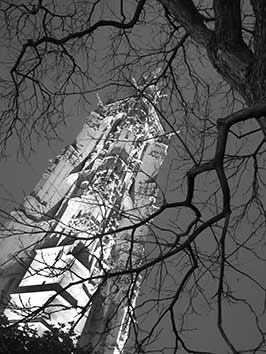
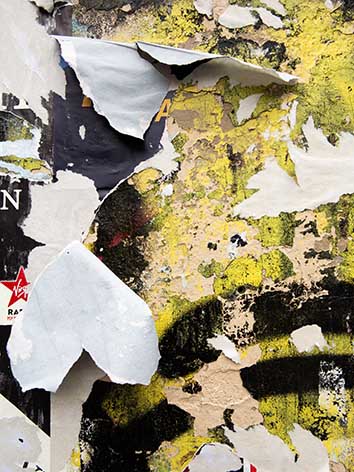
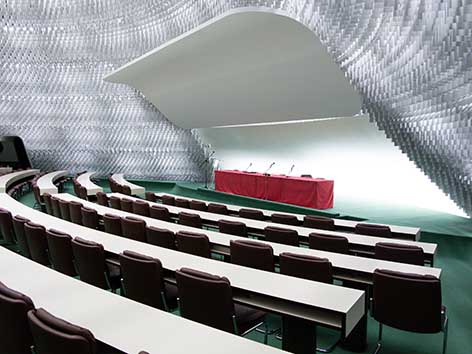
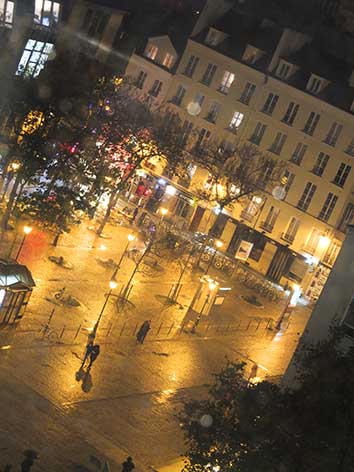
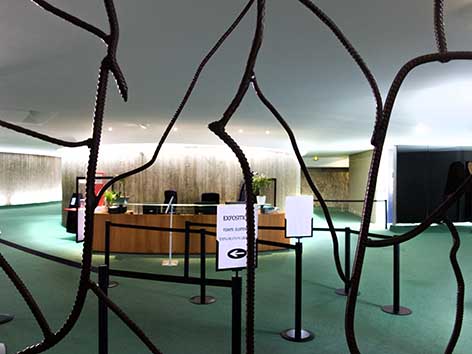
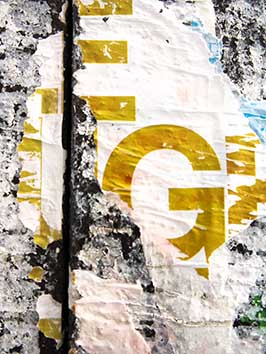
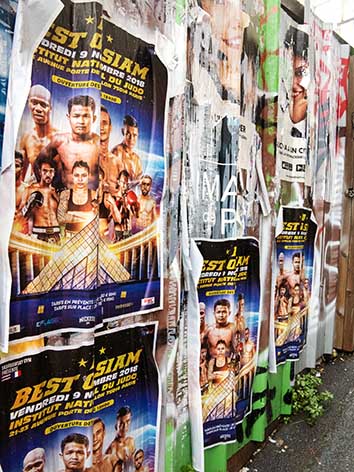
Circulation II: 2017 is the third volume of the Circulation II series, shot in Paris in November 2017. Again, the book is a diaristic visual record that focuses on the role of the image - in advertising, media, fashion - particularly on torn and weathered posters within public space. Themes include the Paris Photo exhibition at the Grand Palais, the Marais district, Musée de la Chasse, and the architecture of the district of La Défense at night.
136pp. 204 x 274mm. Hardback open-spine binding with hand-coloured threads and Chiyogami endpapers. Acetate cover.
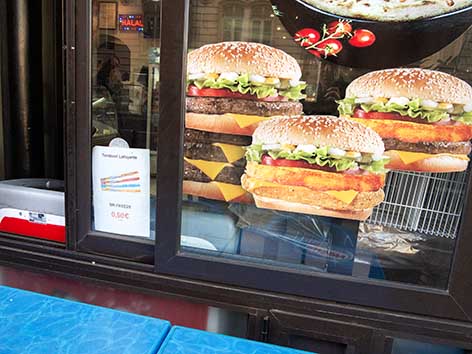
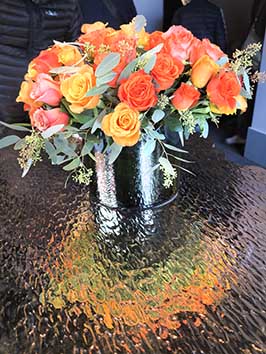
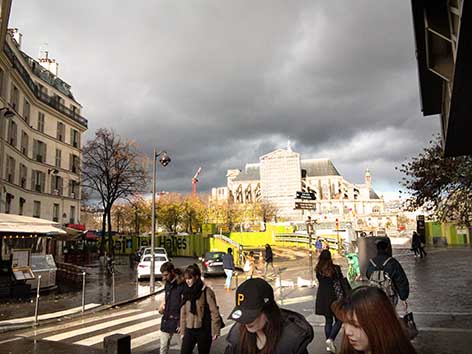
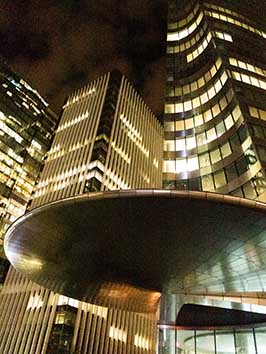
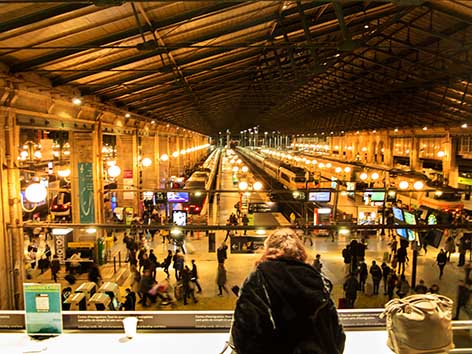
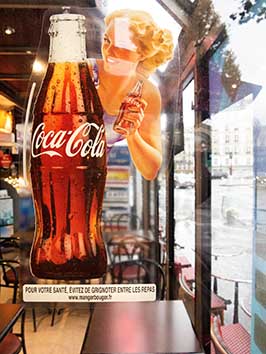
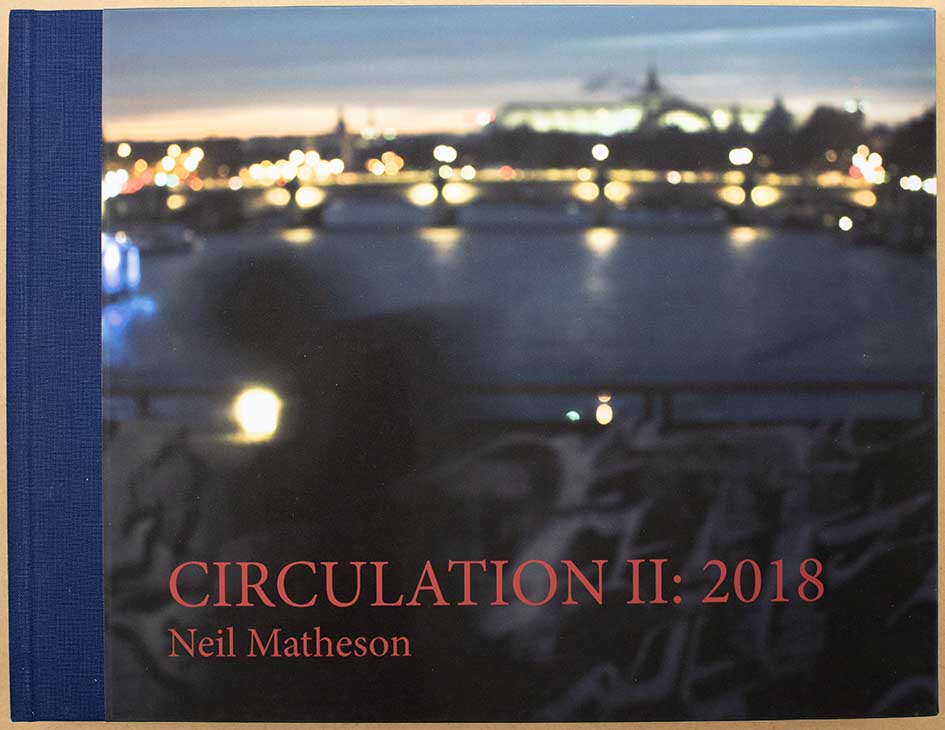
Circulation II: 2018 (2024)
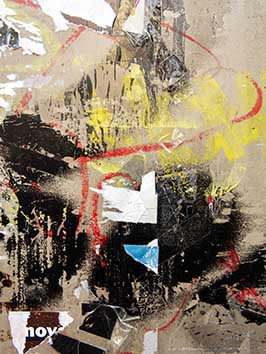
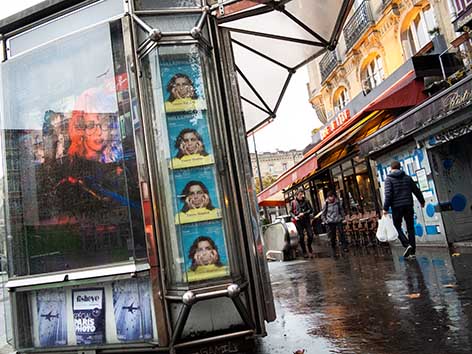
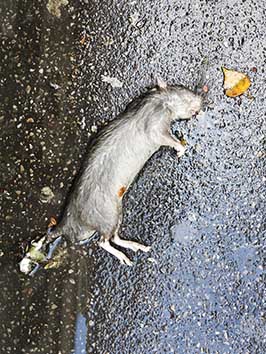
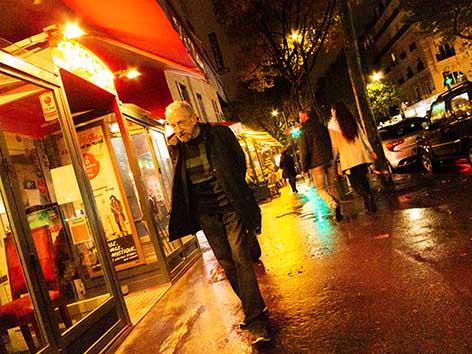
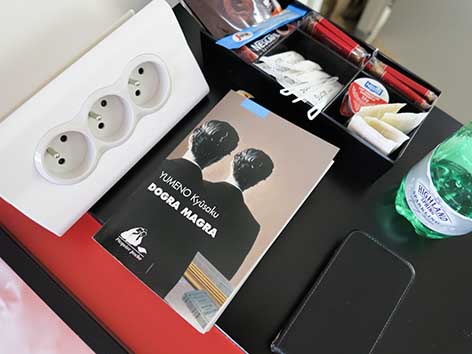
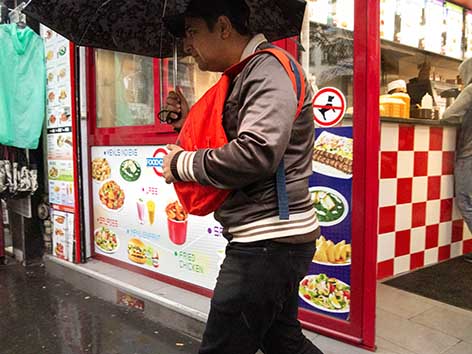
Circulation II: 2018 is a landscape format photobook that continues the diaristic Circulation II series. The book is focused upon the Paris Photo exhibit at the Grand Palais, the Marais, Pigalle and Montmartre, together with the area around the Gare du Nord. The book explores the role of photography in fields such as fashion, tourism and advertising, as part of the continual flow of media imagery experienced in public spaces.
200pp. 180 x 238mm. Casebound, with Chiyogami endpapers and acetate cover.

Circulation II: 2019 (2024)
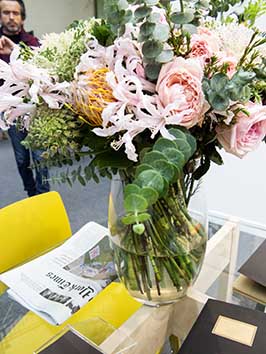
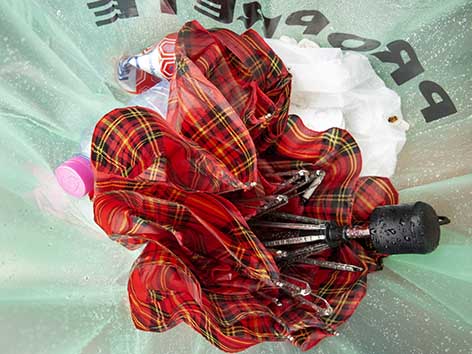
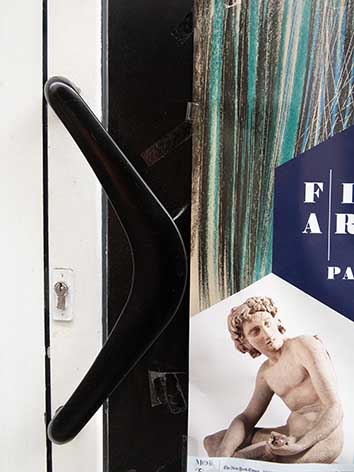
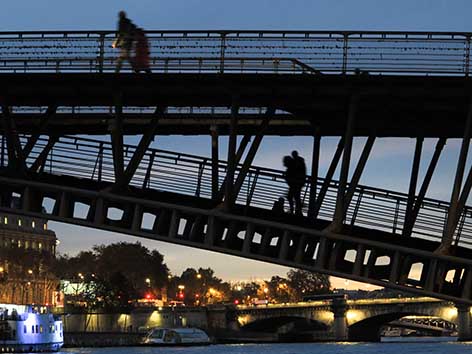
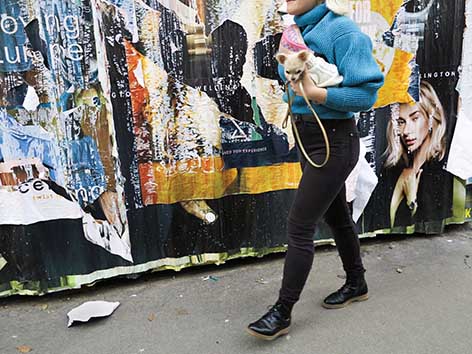
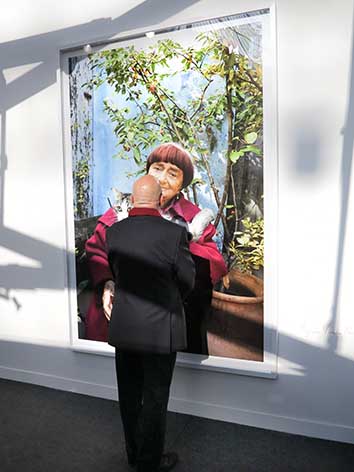
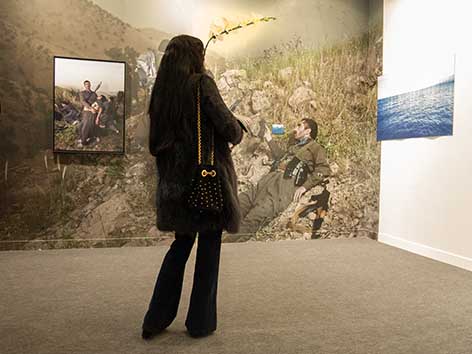
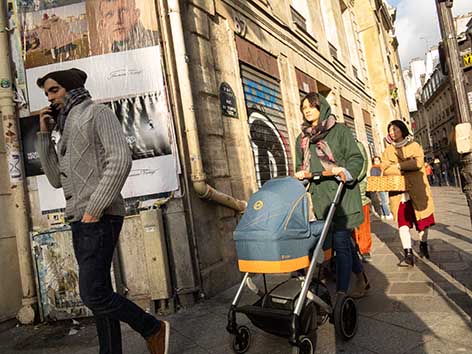
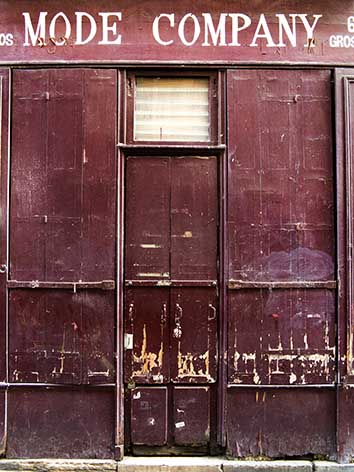
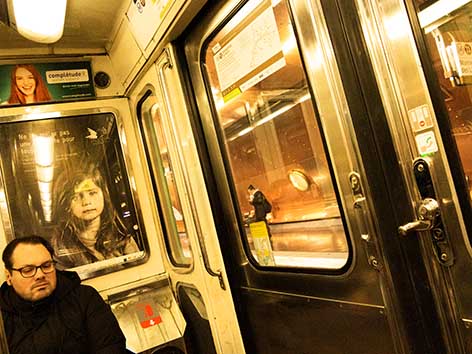
Circulation II: 2019 is the final part of the Circulation II (2015-19) series, produced in Paris during November 2019, just prior to the onset of the Covid-19 crisis. The book is focused on the Paris Photo exhibit in the Grand Palais, the Marais and Montmartre districts.
Includes a foldout of travellers gathered around station heaters at the Gare de l'Est.
194pp. 180 x 238mm. Casebound, with Chiyogami endpapers, foldout and acetate cover.

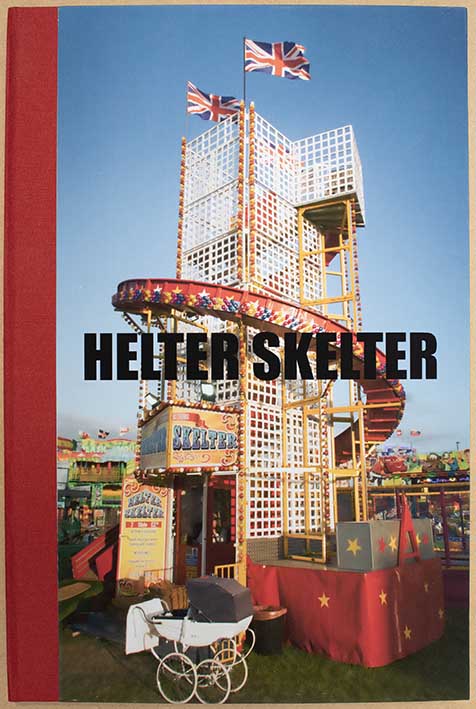
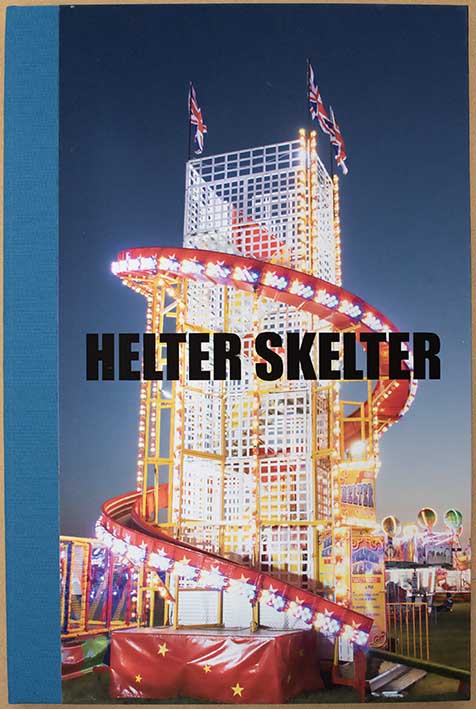
Helter Skelter: Day (2022)
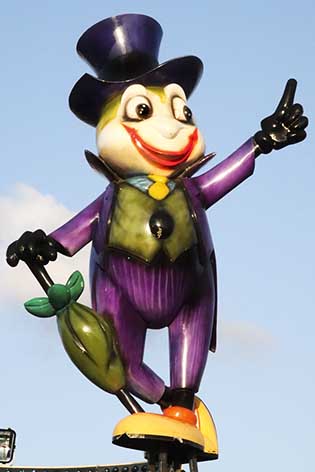
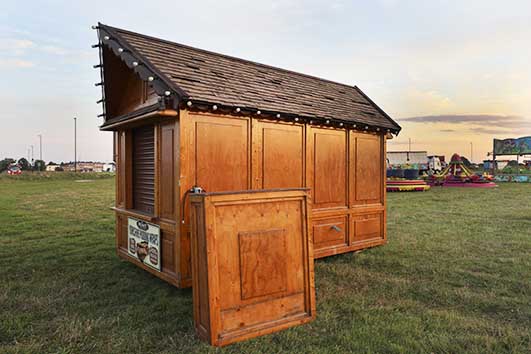
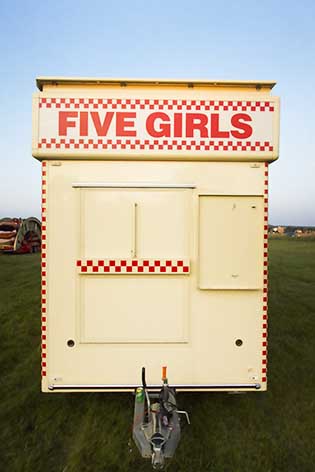
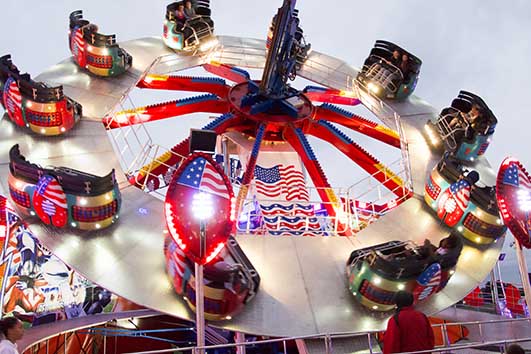
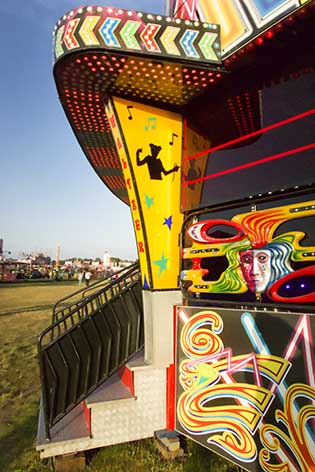
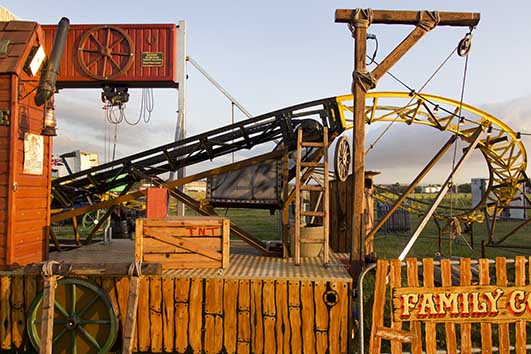
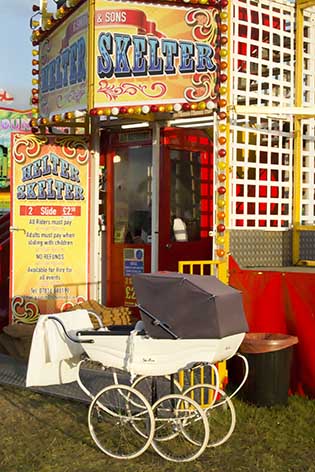
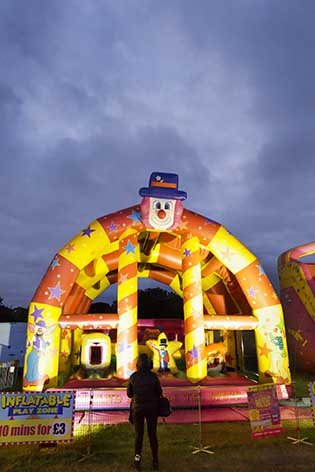
Helter Skelter: Day is the first part of a pair of photobooks that explore the popular iconography of fairgrounds erected on Blackheath during bank holidays and traditional festival periods.
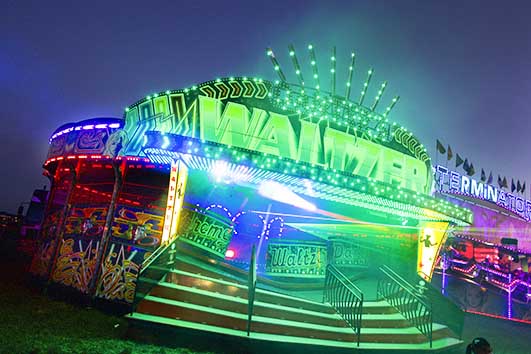
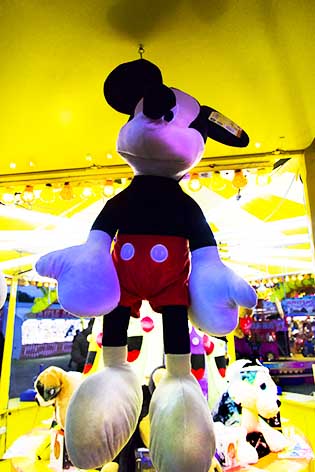
The books trace the shifting light during the course of the day and the changing atmosphere of the fair with the onset of dusk and the shift to flashing neon lights. The images focus on themes from popular culture, movies - Westerns, horror films, children's cartoons, music, etc. - and the connections with childhood.
60pp. 307 x 204 mm. Casebound, large-format photobook.
Helter Skelter: Night (2022)
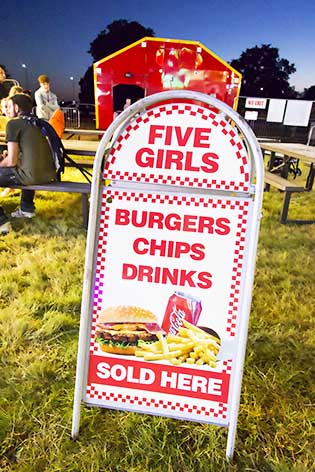
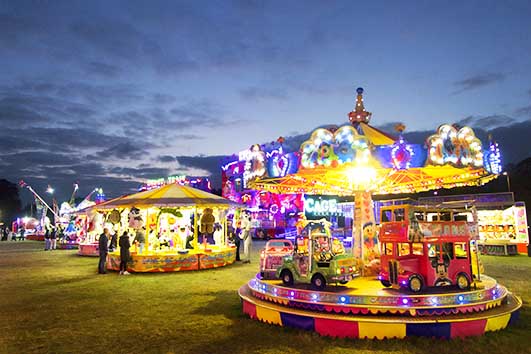
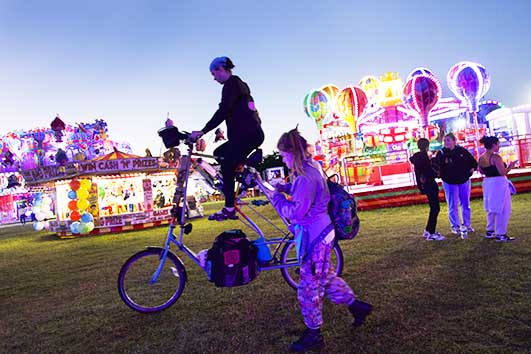
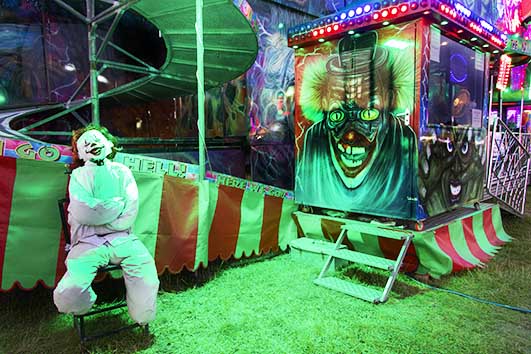
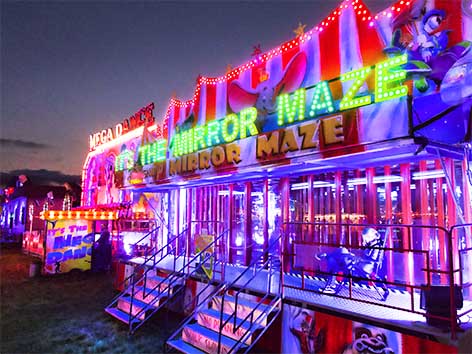
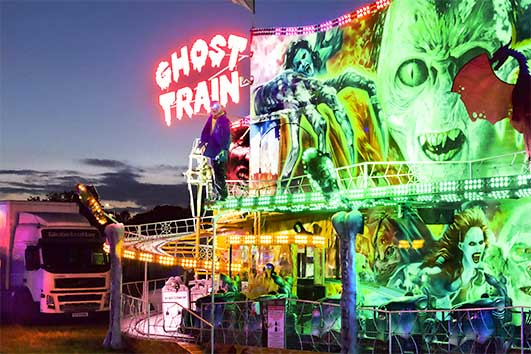
Helter Skelter: Night is the second part of the book, focused more on darkness, artificial lighting and themes drawn from horror movies, ghost trains and haunted houses.
The fairgrounds held on Blackheath are sited on the location of the Peasants' Revolt of 1381, led by Wat Tyler, and such fairs, with their gallows, corpses and other horror imagery, continue something of that tradition of popular revolt with the threat of violence.
68pp. 307 x 205 mm. Casebound large-format photobook.
copy.jpg)

TECHnology (2021)
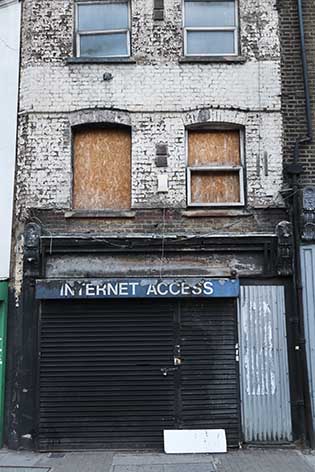
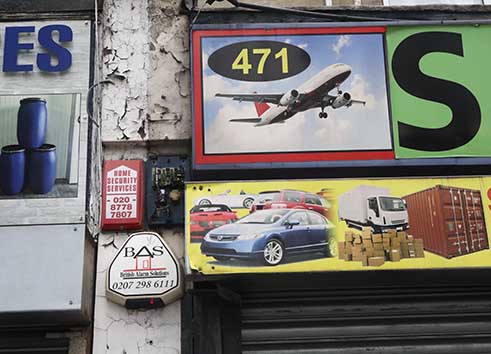
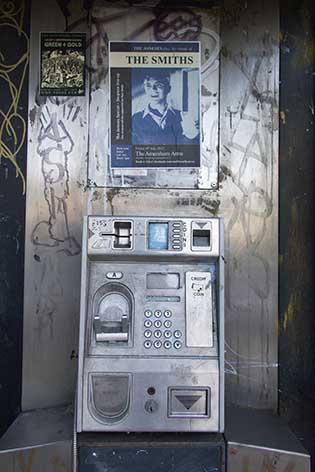
TECHnology is a photozine that explores the gap between the shiny promise of new technologies as found in their design and advertising, and the realities of redundant technologies found in public spaces.
From graffiti-covered telephone kiosks made redundant by the smartphone, to dumped electrical goods such as the fax machine, finally killed off by the Covid-19 pandemic, the series explores our relationship with transport and communications technologies as they age and die.
36 pp. 203 x 305 mm. Large-format softcover with flaps, loose coloured threads and acetate cover.



.jpg)

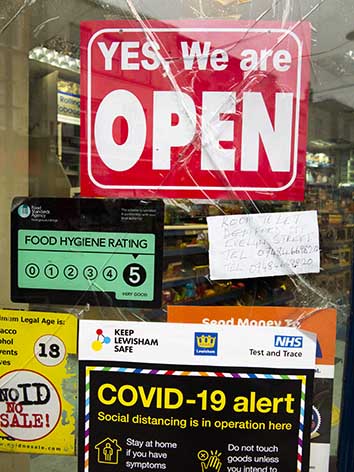
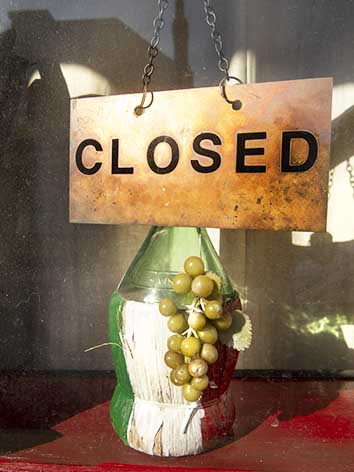
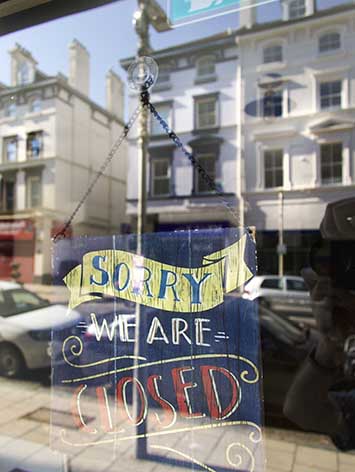
YES we are OPEN! Sorry, we are CLOSED (2021)
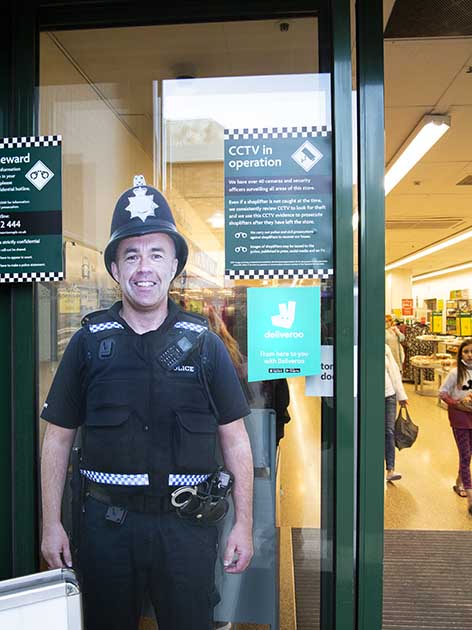
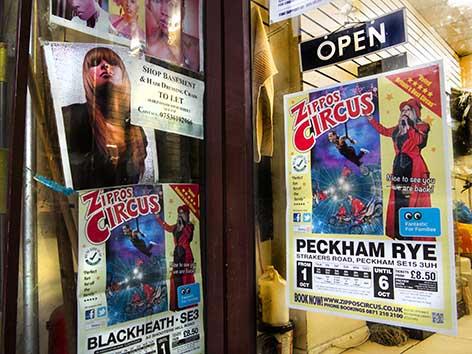
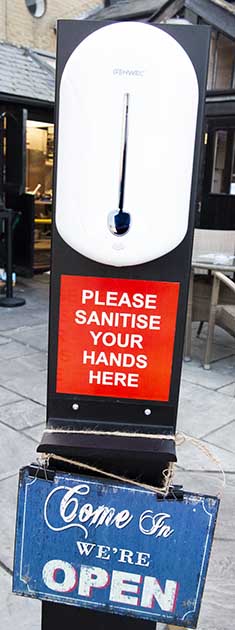
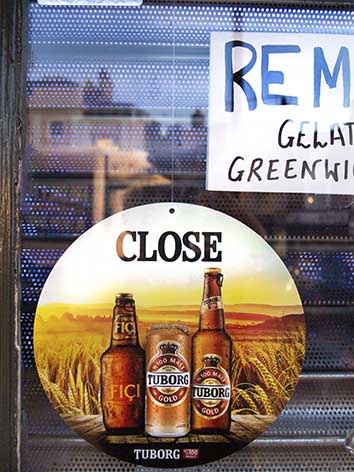
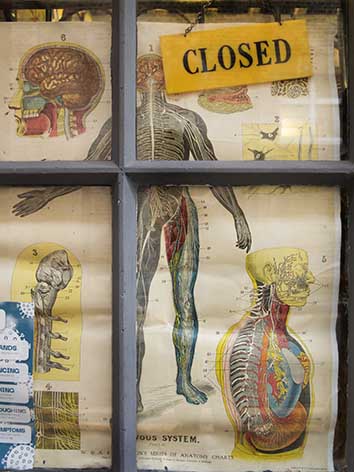
YES we are OPEN! Sorry, we are CLOSED is a photobook produced following the onset of the Covid-19 pandemic and the subsequent lockdowns that saw shops and businesses closed down across the country. The series records some of the signs that appeared during that time - closures, wearing of facemasks, sanitising of hands, etc. - and attempts to capture some of the uncertainty of that period.
The series is also part of a broader concern with the documentation of shop signage, shifting consumption patterns and advertising.
100pp. 308 x 231 mm. Large-format, dos-à-dos, open-spine binding with hand-coloured threads.

Fugue (2020)
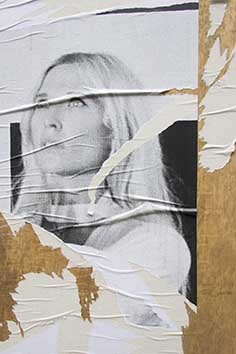
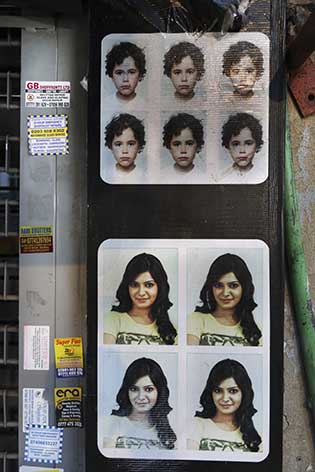
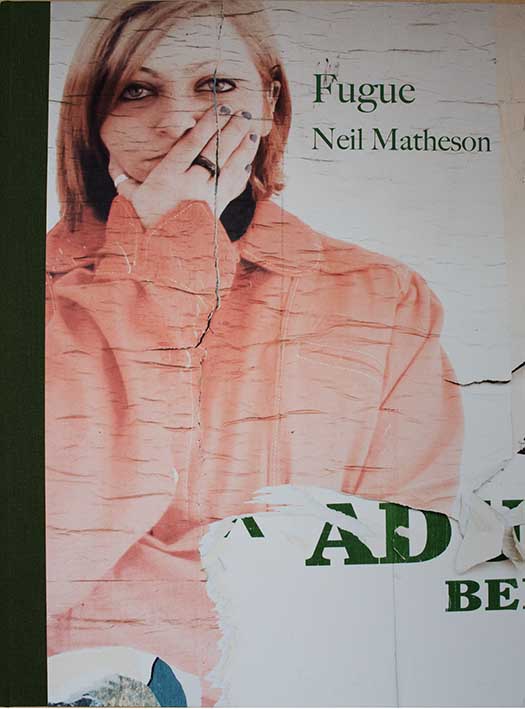
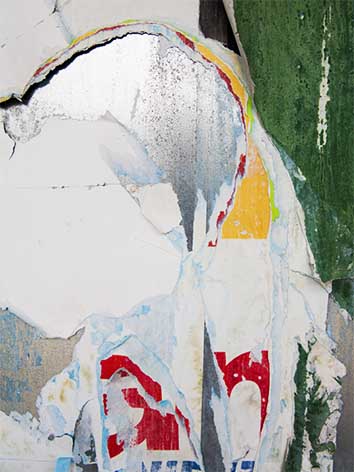
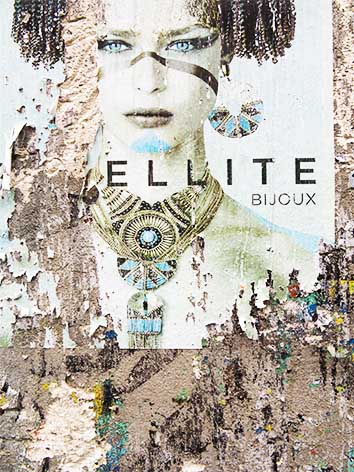
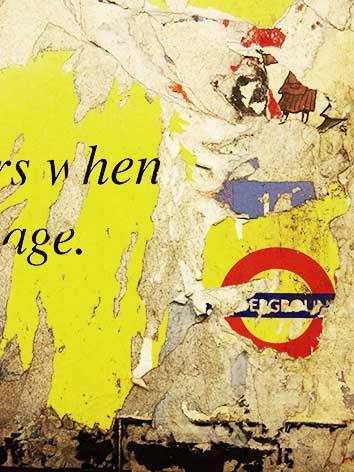
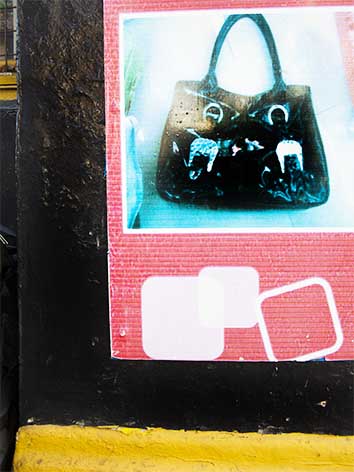
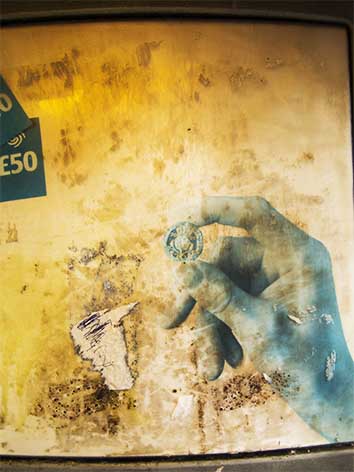
Fugue is a photobook that explores torn and defaced billboards and posters in public spaces in Bergamo, London and Paris.
The series poses such torn posters as a form of 'décollage', as in the work of French artists such as Raymond Hains and Jacques Villeglé, where the commercial message is subverted and new meanings are suggested.
80pp. 310 x 234 mm. Large-format casebound book with printed endpapers.
resizedcopy.jpg)
copy.jpg)
copy.jpg)
copy.jpg)
copy.jpg)
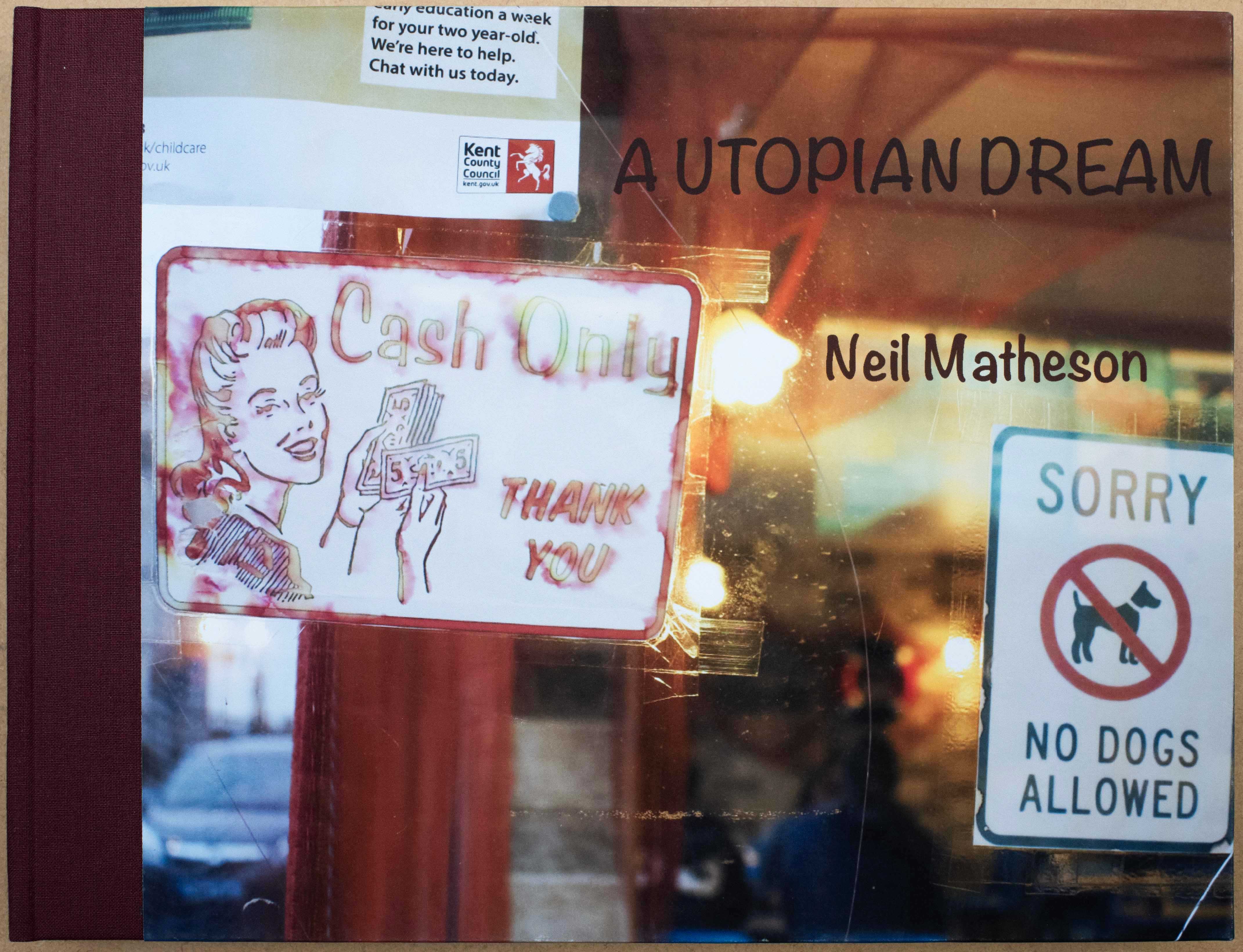
A Utopian Dream (2020)
A Utopian Dream is a book that works with some of the ideas and texts of the science fiction writer H.G. Wells - particularly his futuristic 1905 novel 'A Modern Utopia'.
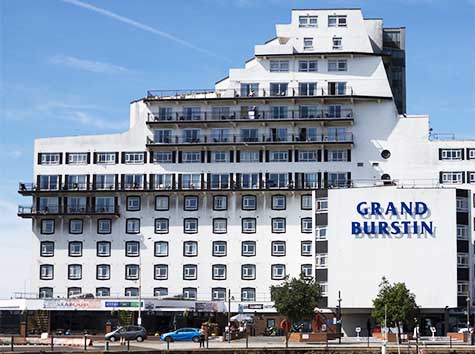
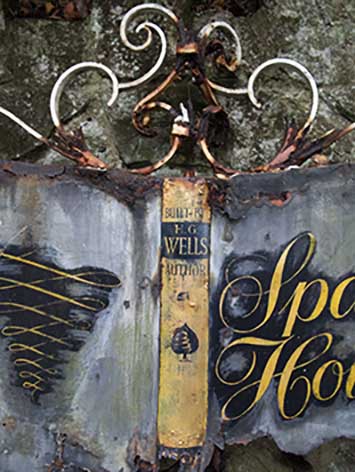
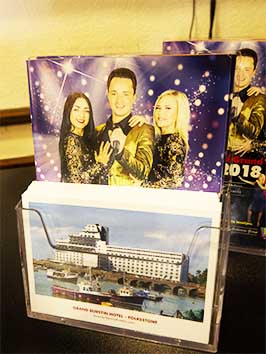
The book opens with Spade House, a home that Wells had built at Sandgate on the Kent coast, and most of the book was photographed nearby in Folkestone, with its Grand Burstin Hotel in the style of a liner. Using texts drawn from Wells's writing, the book draws links between his ideas on the city of the future and present-day Folkestone.
150pp. 241 x 183 mm. Medium-format casebound photobook with postcard.
copy.jpg)
copy.jpg)

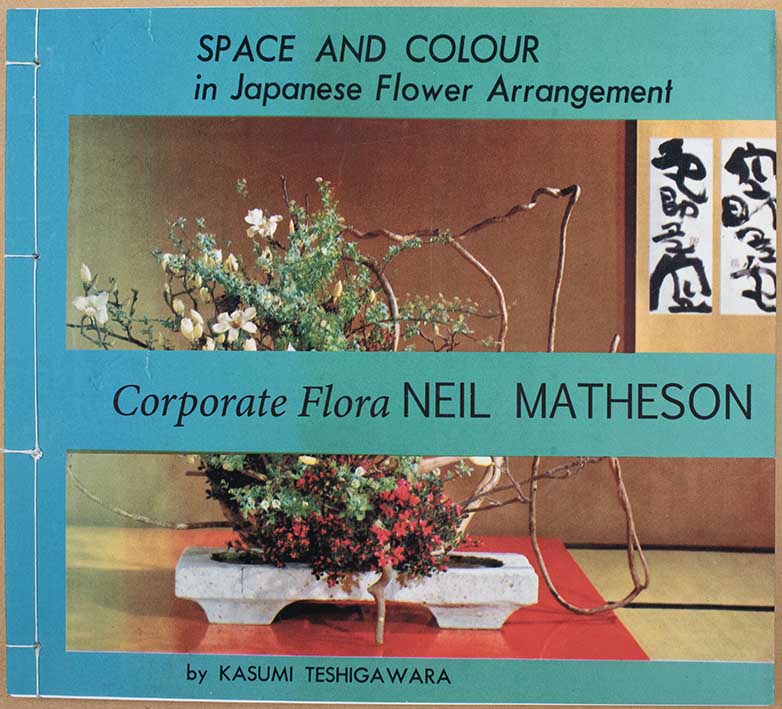
Corporate Flora (2018)
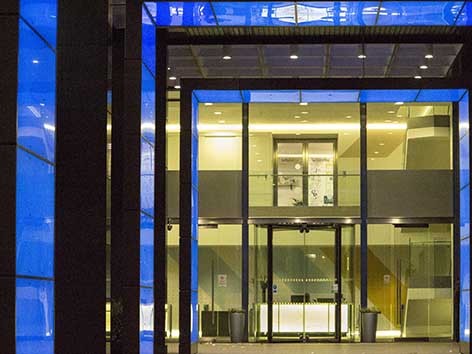
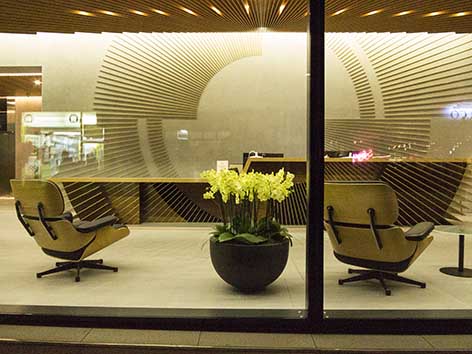
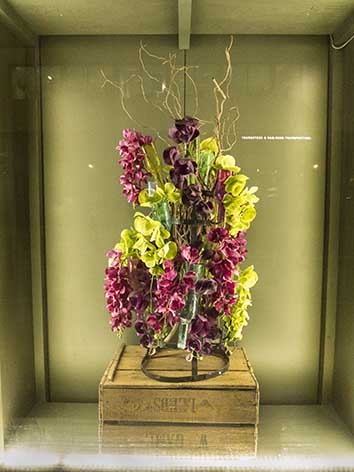
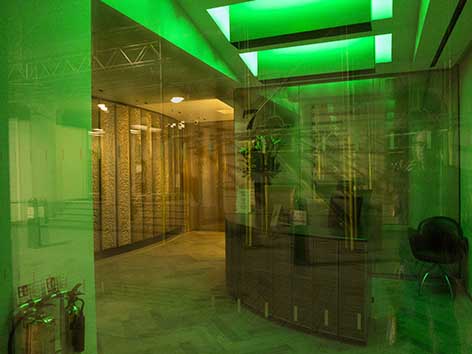
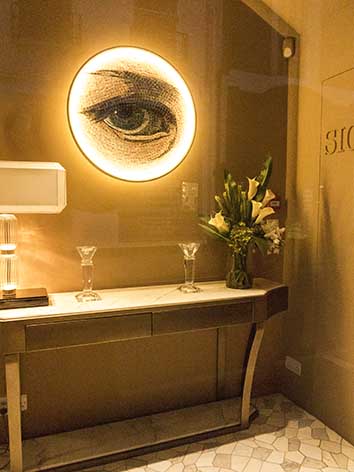
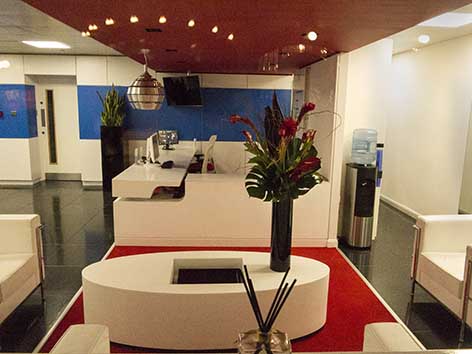
Corporate Flora is a photobook that explores the often elaborate floral displays found in business lobbies as a statement of corporate identity, in the context of 'ikebana', the traditional Japanese art of flower display.
The series is concerned with the ways in which flowers and colour, together with the messages they contain, are deployed in projecting a particular corporate image.
The photographs were mostly produced after office hours, when the lobbies were deserted and the reception desks often covered by bored-looking security staff staring into screens. The book combines the contemporary office photos with the imagery of ikebana flower arrangements in a hacked book on Japanese flower arrangement.
70pp. 216 x 196 mm. Softcover, four-hole stab binding with board picture sleeve.


DANGER (2018)
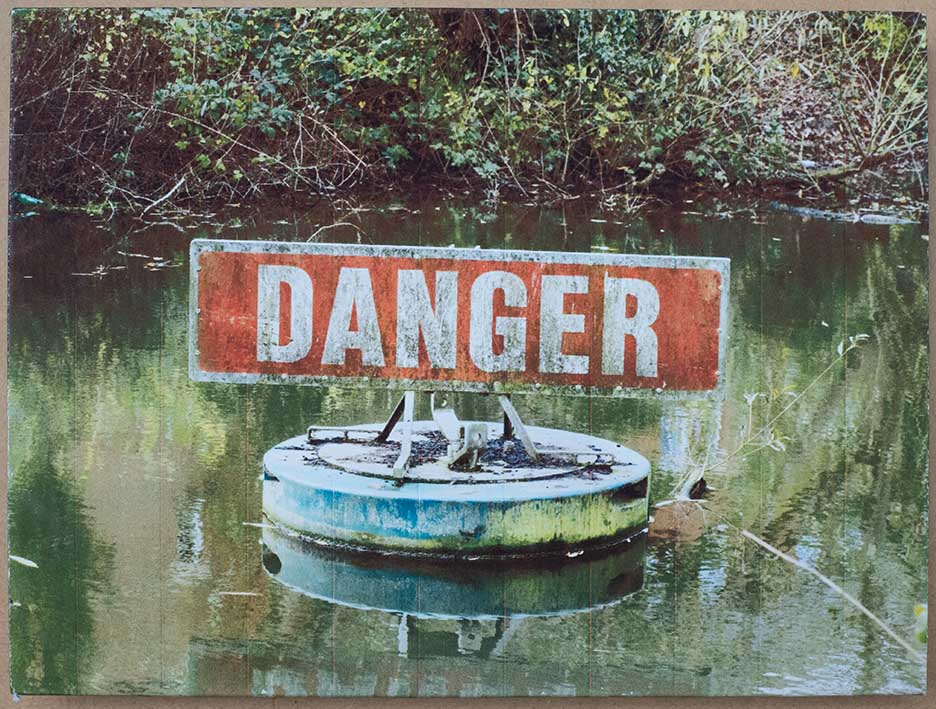
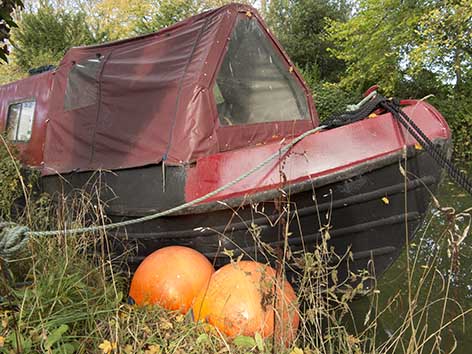
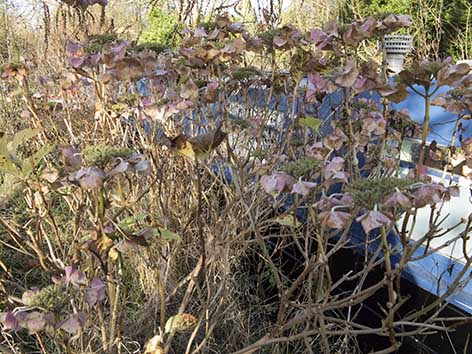
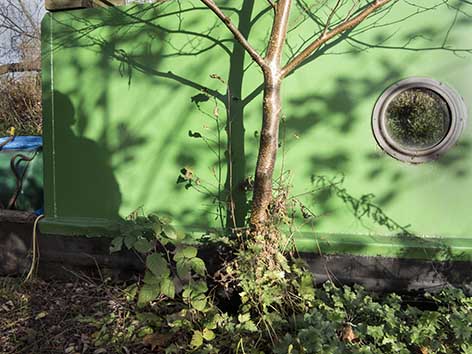
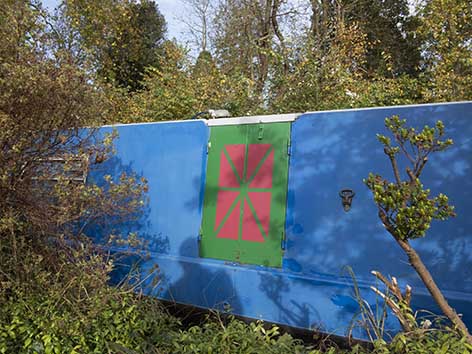
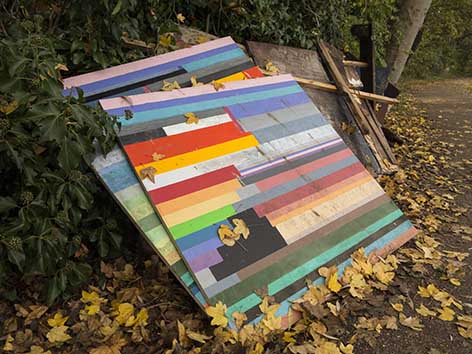
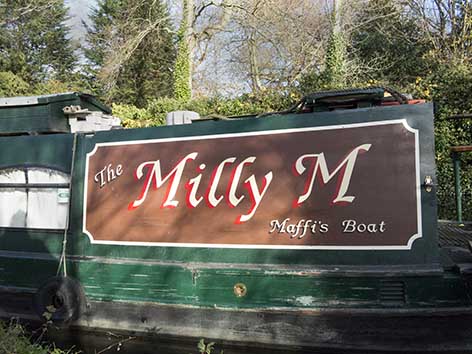
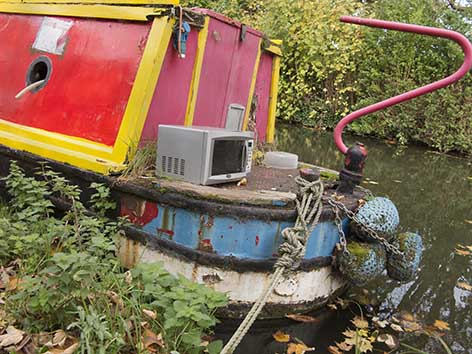
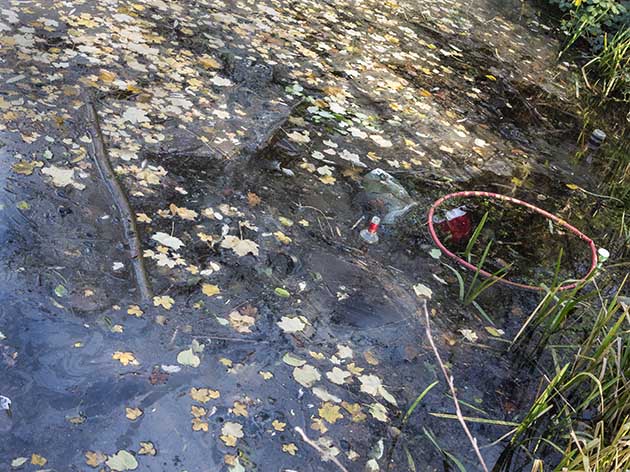
DANGER is a book made in Oxford, that traces a walk along the row of painted houseboats on the canal towpath from the city centre to Jericho. Bound as a leporello, the book unfolds as a single sheet to recreate the sense of a walk along the towpath.
33pp. 198 x 148 mm. Medium format hardcover leporello.
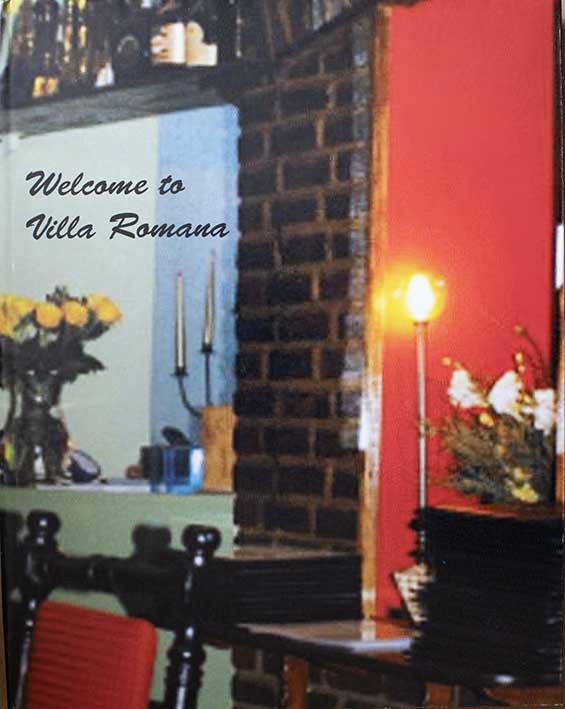
Welcome to Villa Romana (2018)
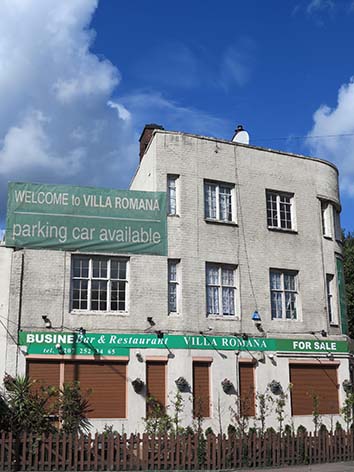
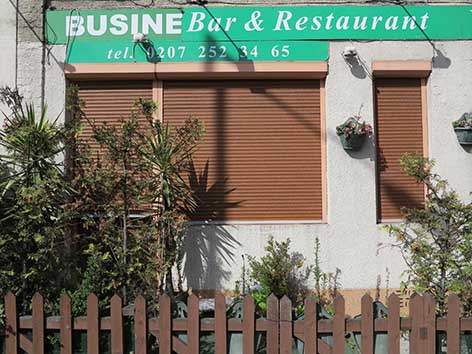
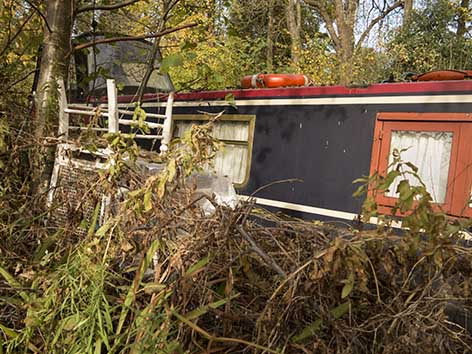
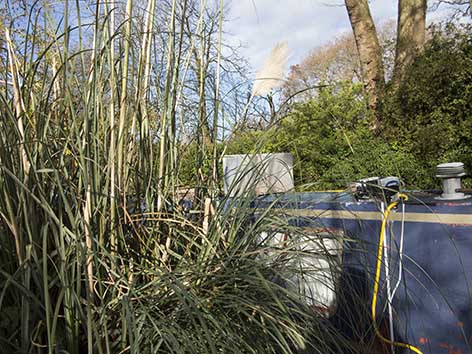
Welcome to Villa Romana is a book about utopia, based on a single building - the former Villa Romana restaurant - located on a busy transport route through Rotherhithe. The business had closed but the building had retained its former fittings, pending redevelopment, becoming increasingly derelict and then covered in graffiti.
The endpapers are of photos of dozens of similarly named 'Villa Romana' restaurants around the world.
33pp., 292 x 230 mm. Casebound with printed endpapers.